Tetyana Khokh
President
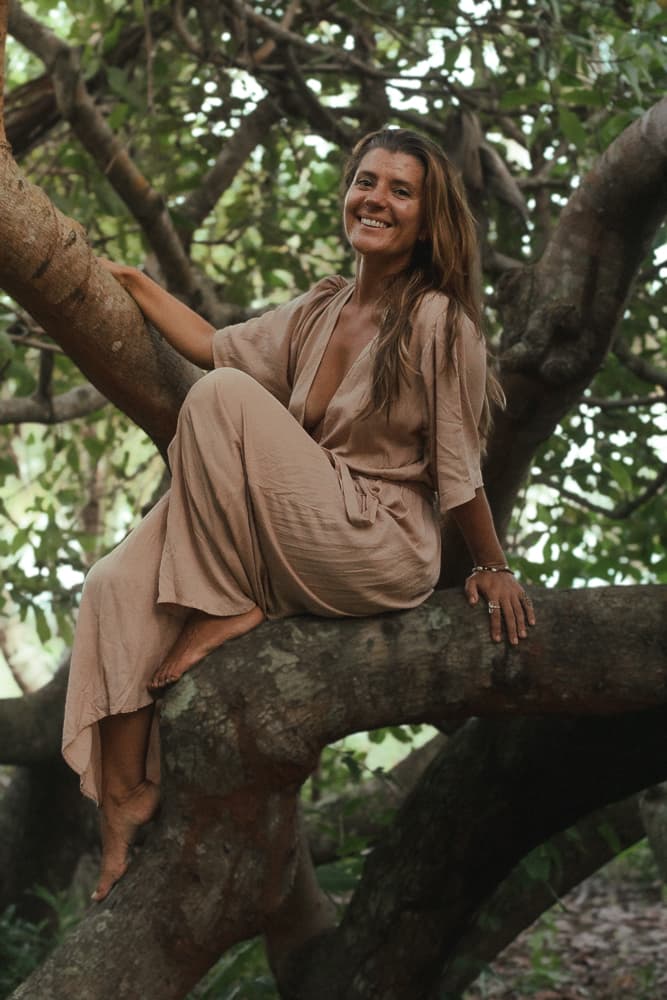
Tetyana leads ALUME Institute’s institutional vision and governance, shaping its long-term direction where ecological regeneration, education, culture, and human development come together.
Full biographyALUME
REGENERATIVE
INSTITUTE
Our mission
Protected
418k+M²
Species
82+
Planted
6000+M²
The Problem
More than 88% of the Atlantic Forest has disappeared, while millions of tonnes of plastic continue to pollute the landscapes that sustain life.
The Solution
We acquire and regenerate degraded lands, uniting them into living Green Corridors while developing open technologies that transform waste into community infrastructure.
The Strategy
We work with communities, researchers, universities, businesses, and governments to restore ecosystems, build circular economies, and create practical models for a regenerative future.
The Vision
We envision a future where regeneration becomes the new standard for human development. Healthy ecosystems, resilient communities, open science, regenerative technologies, and cultural renewal work together to create living systems that restore biodiversity, improve quality of life, and can be replicated across the world.
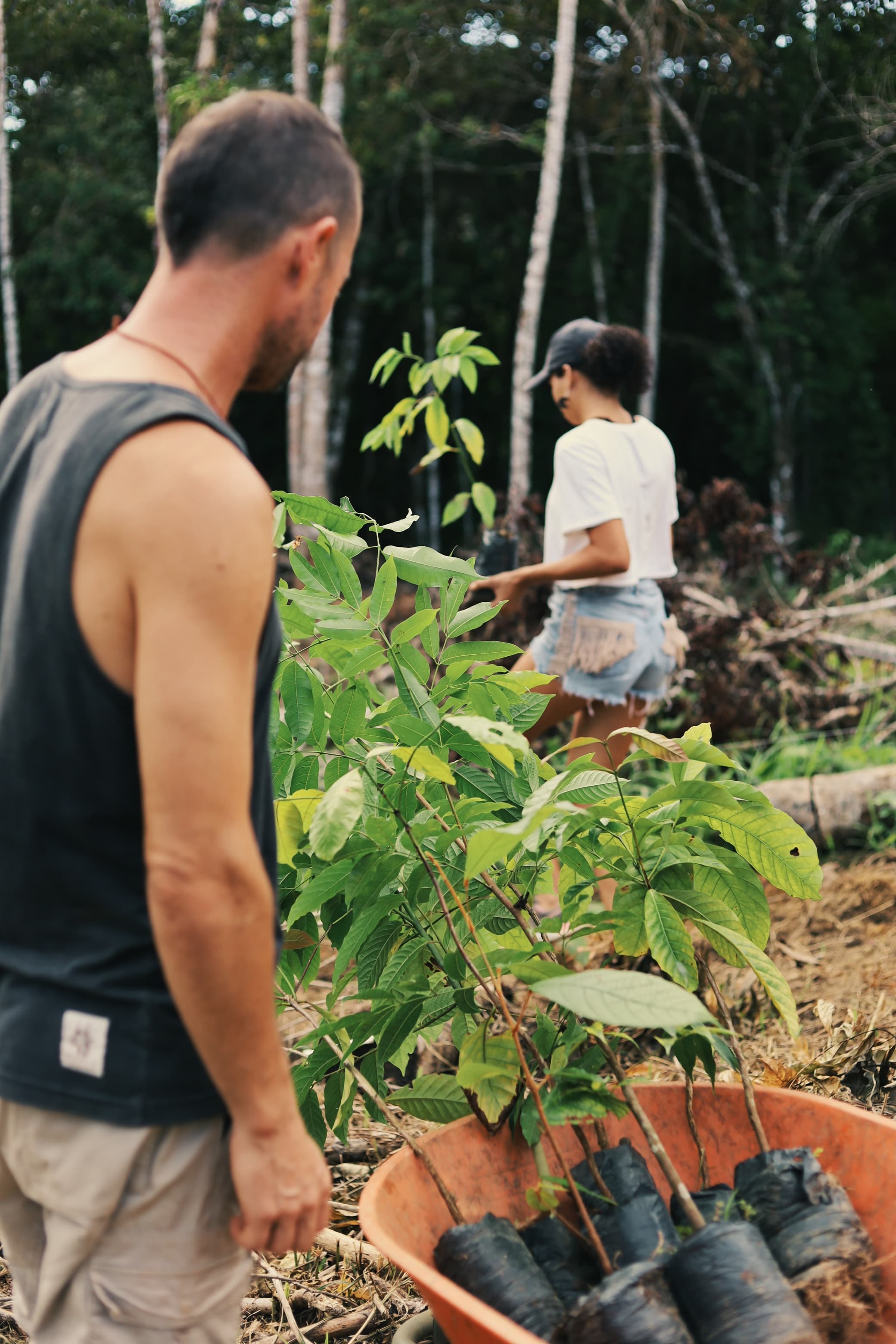
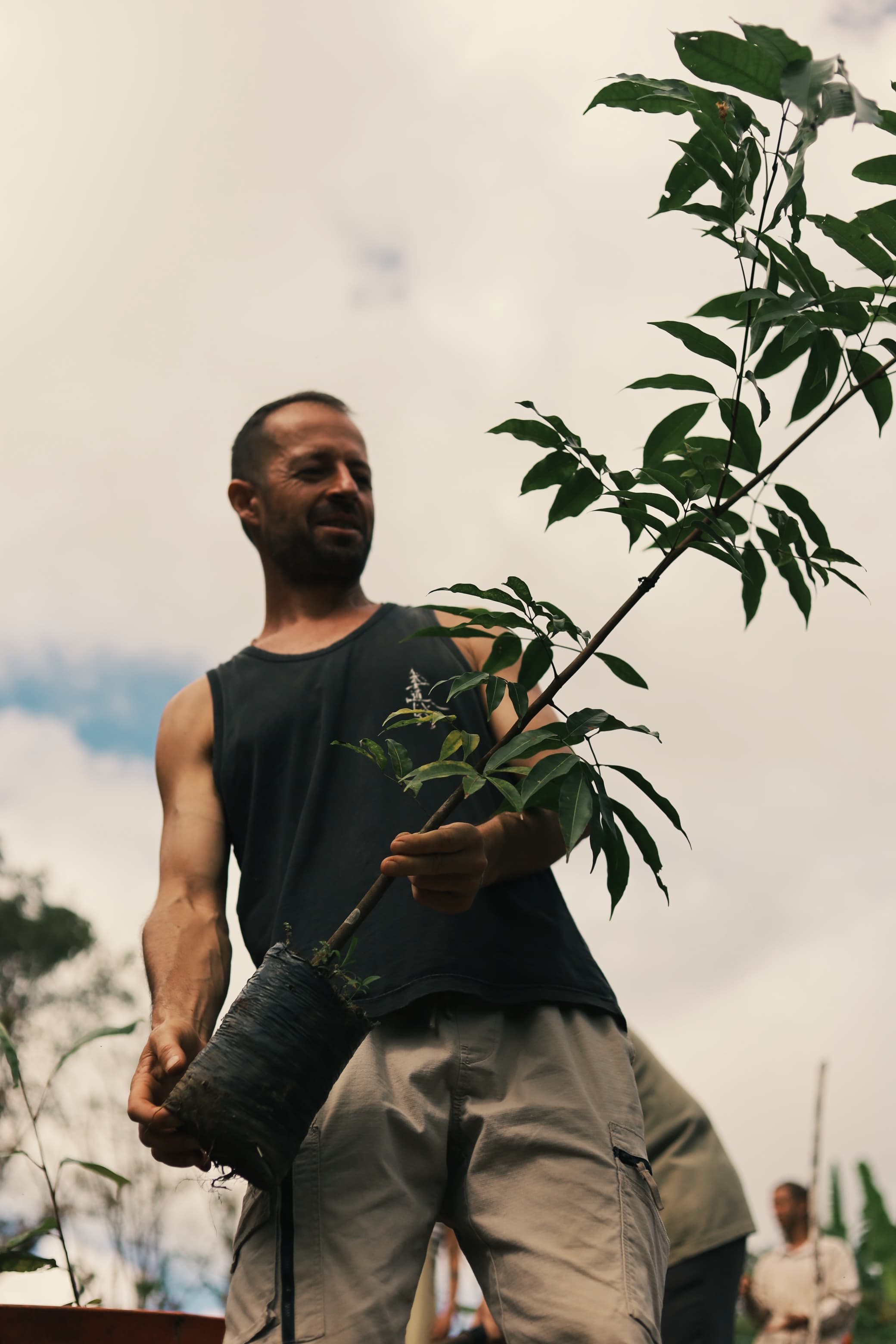
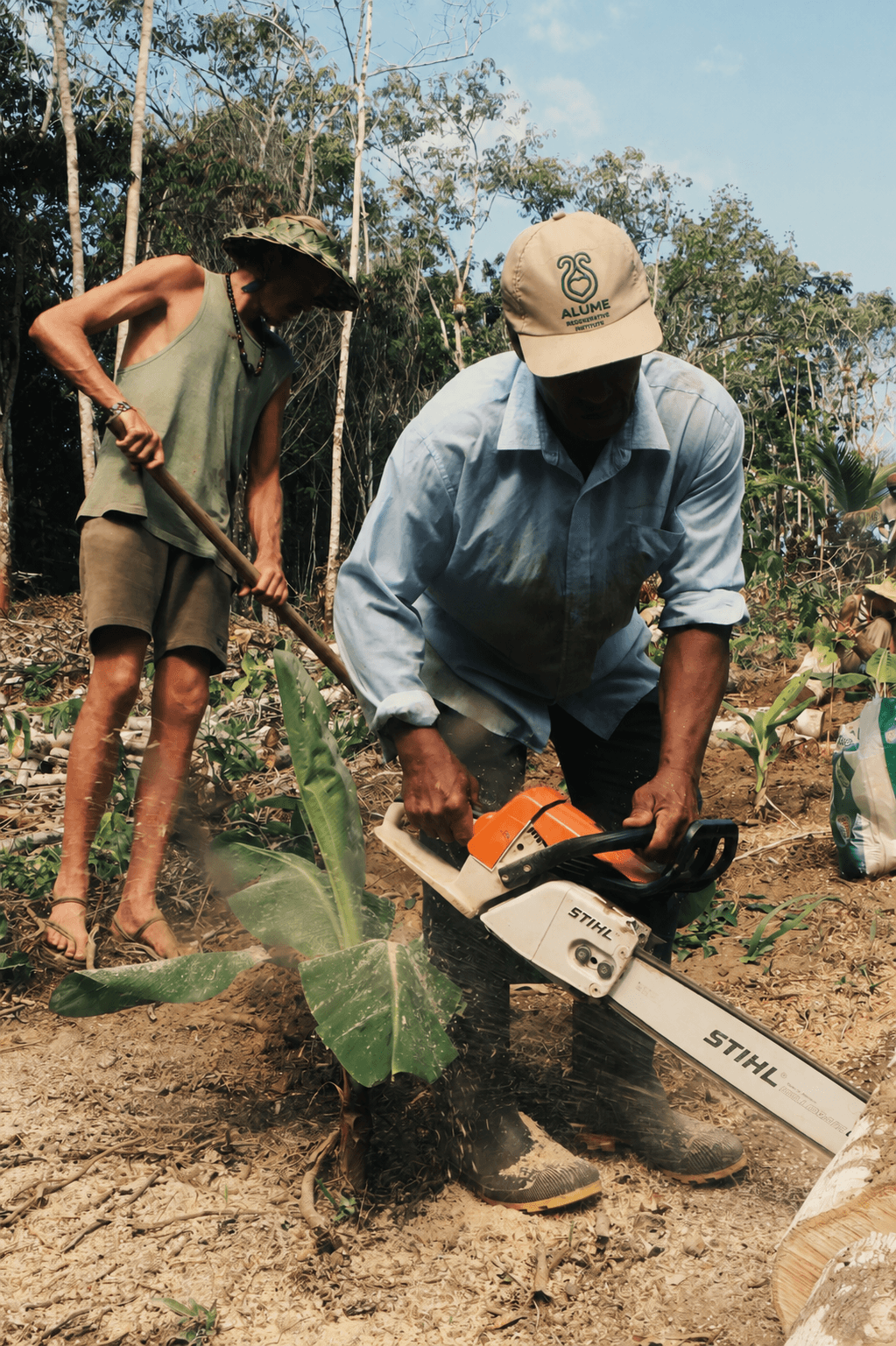
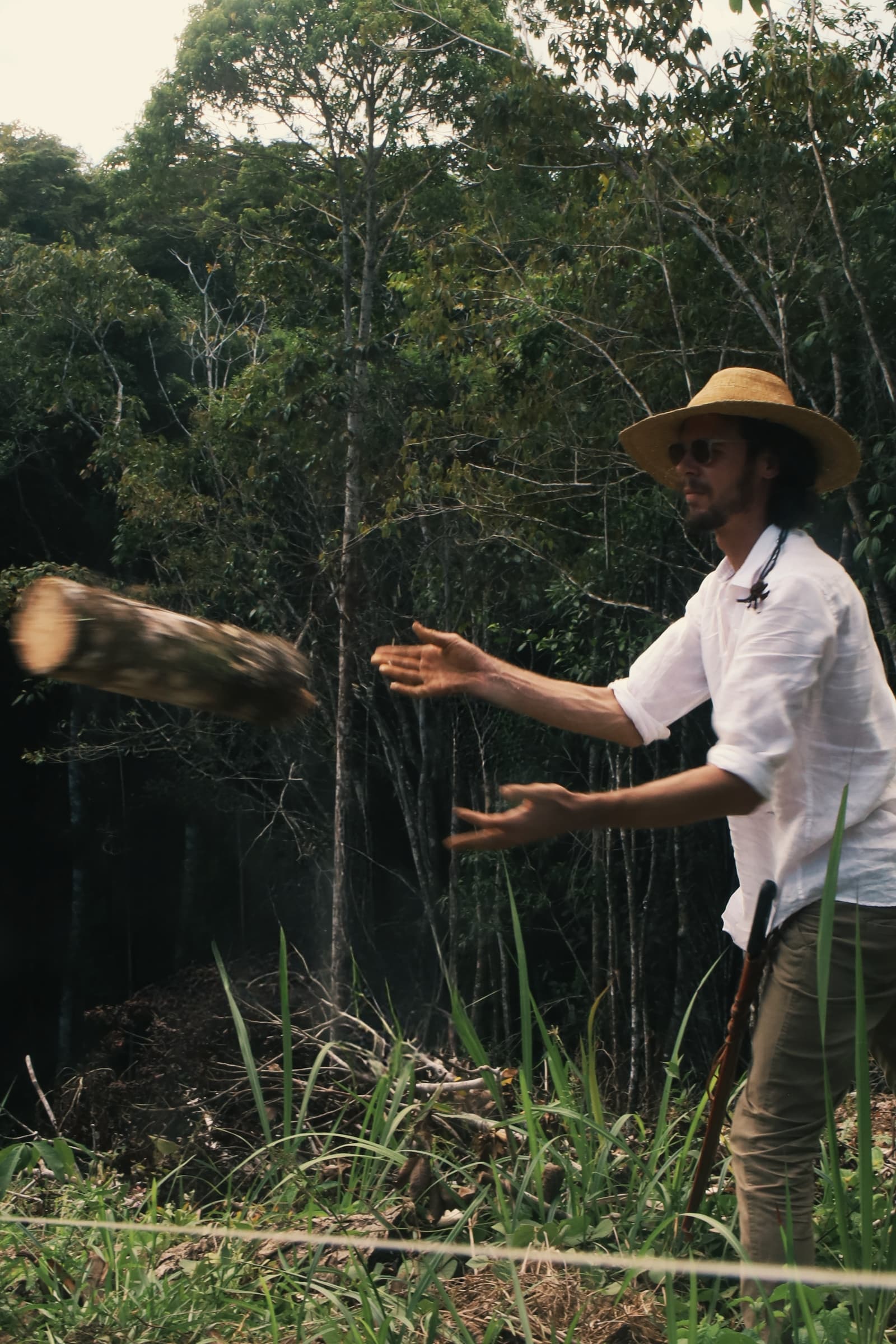
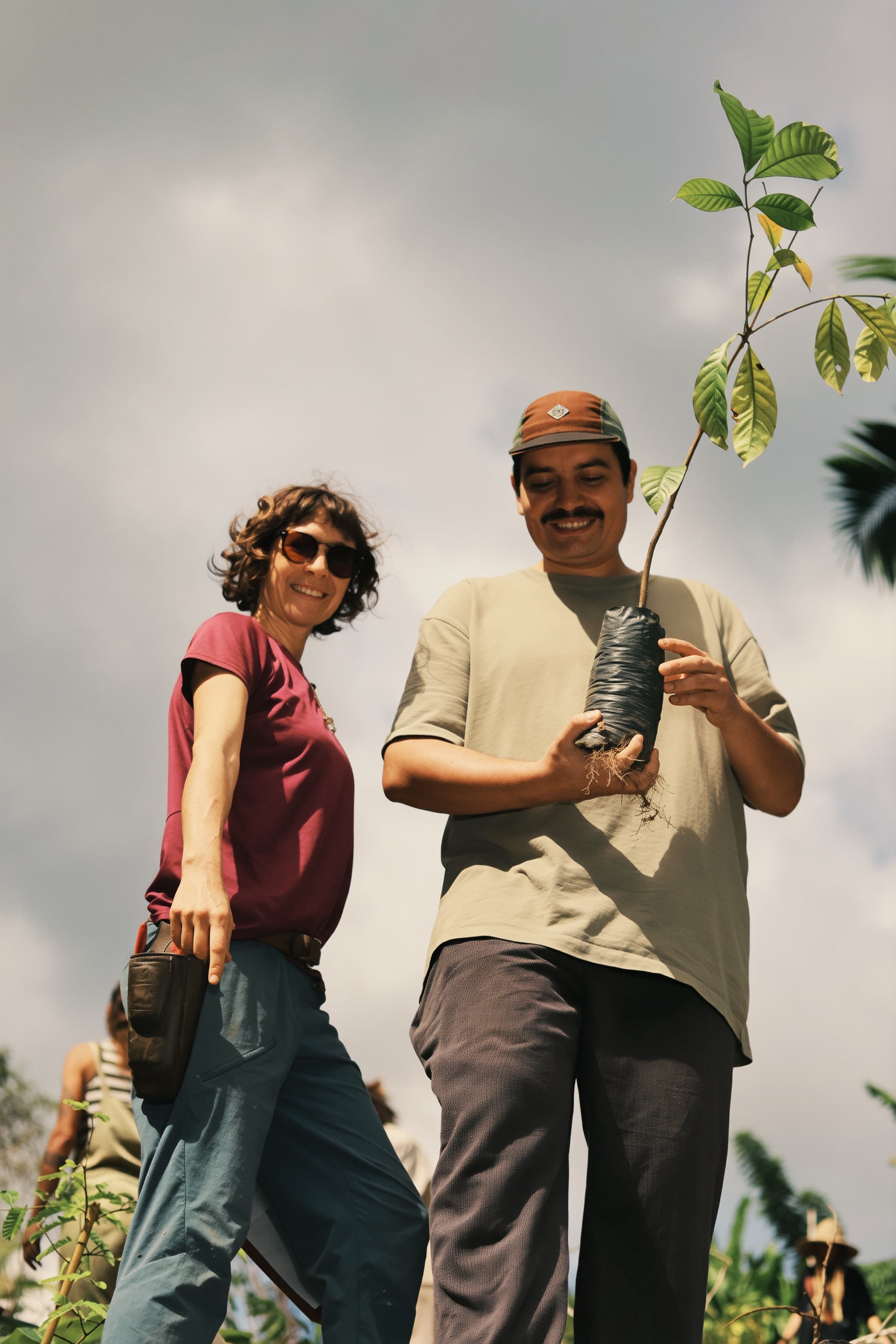
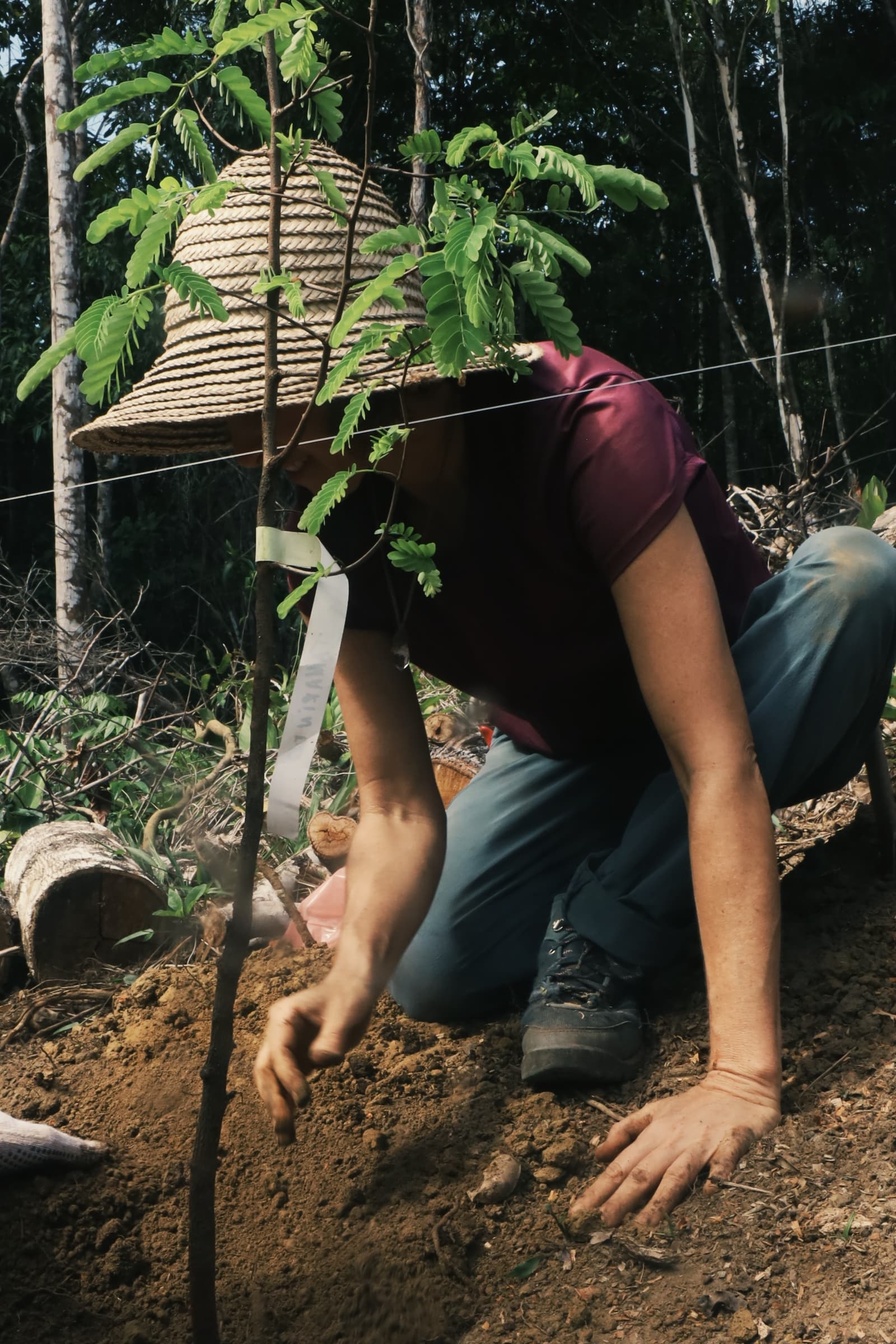
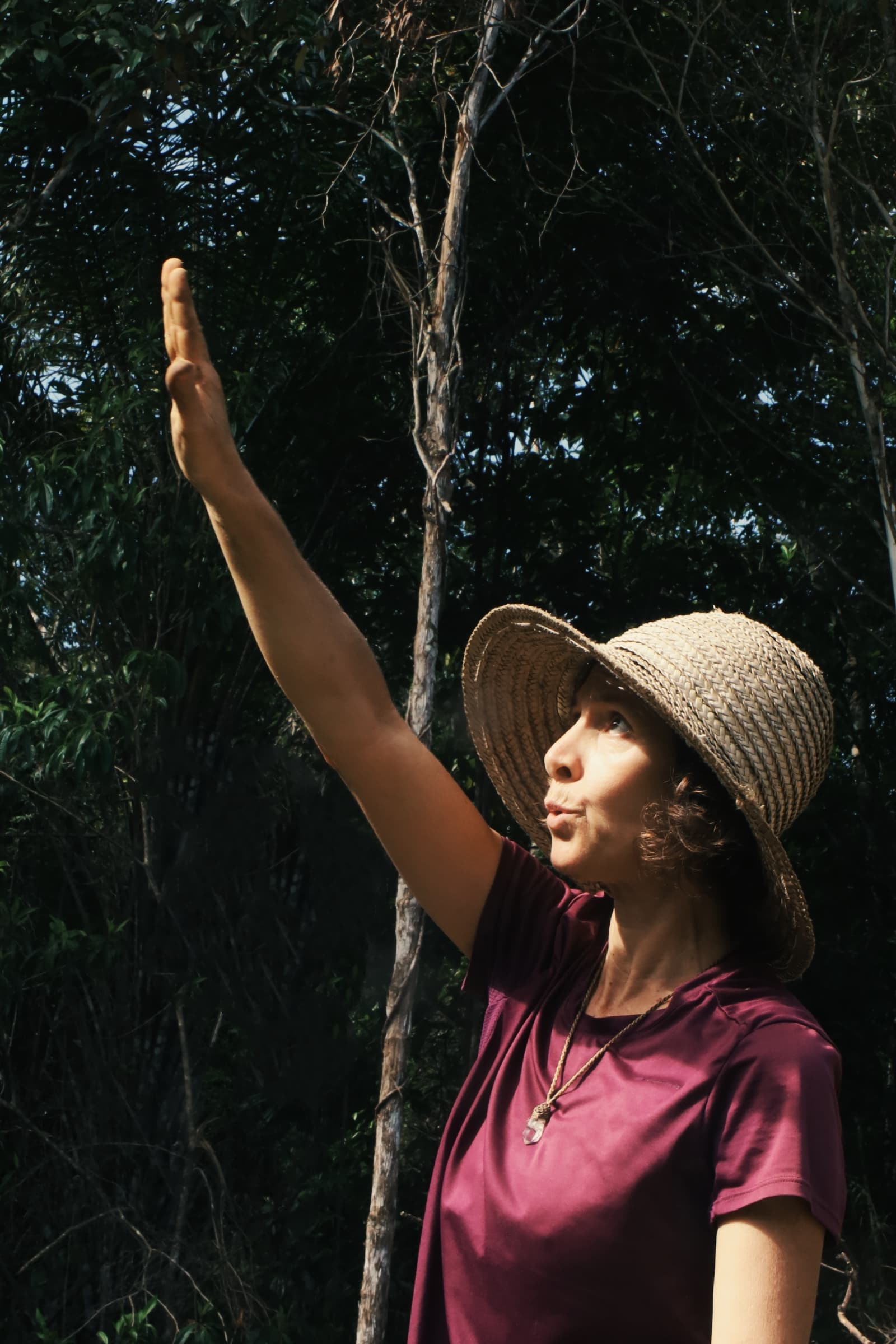
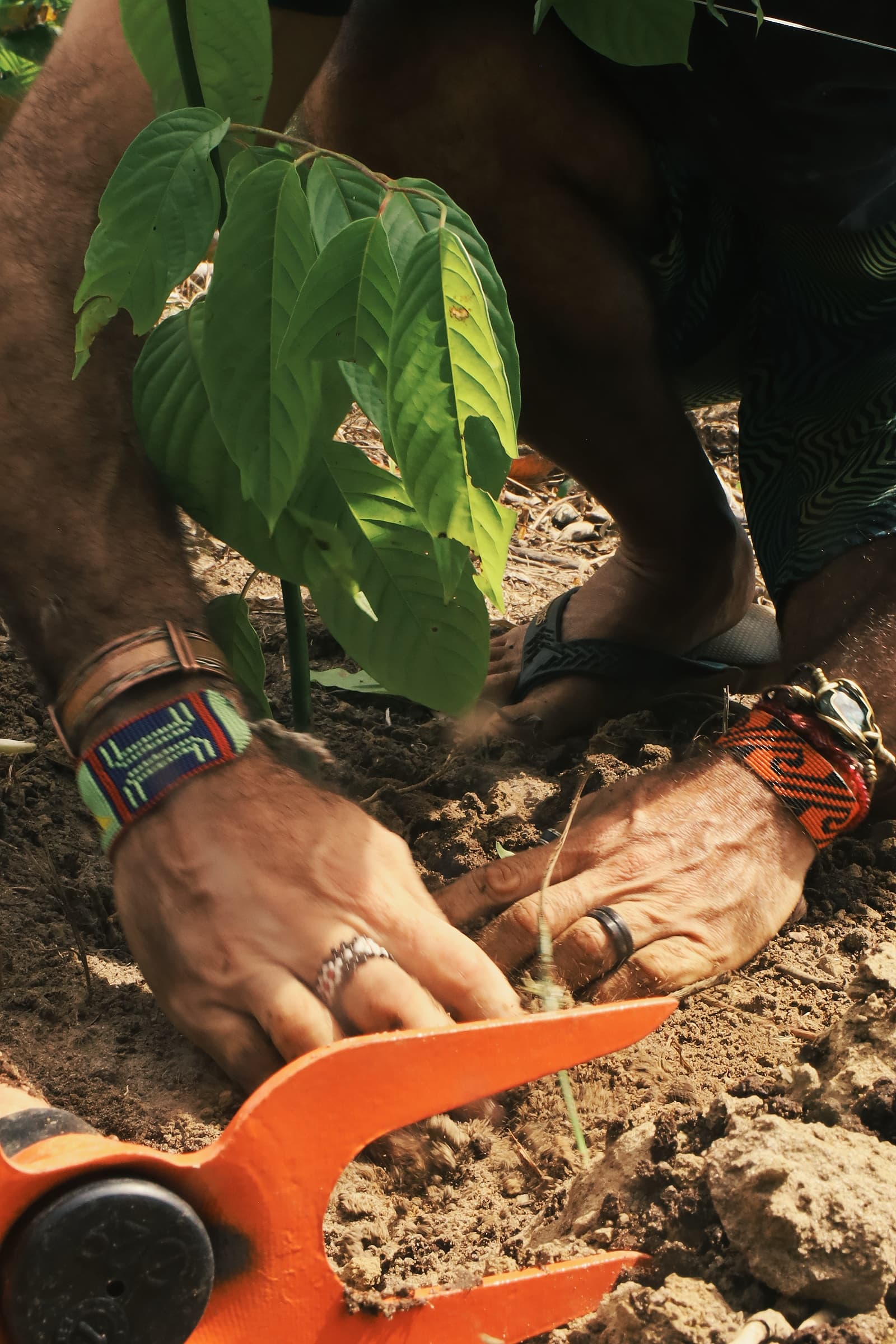
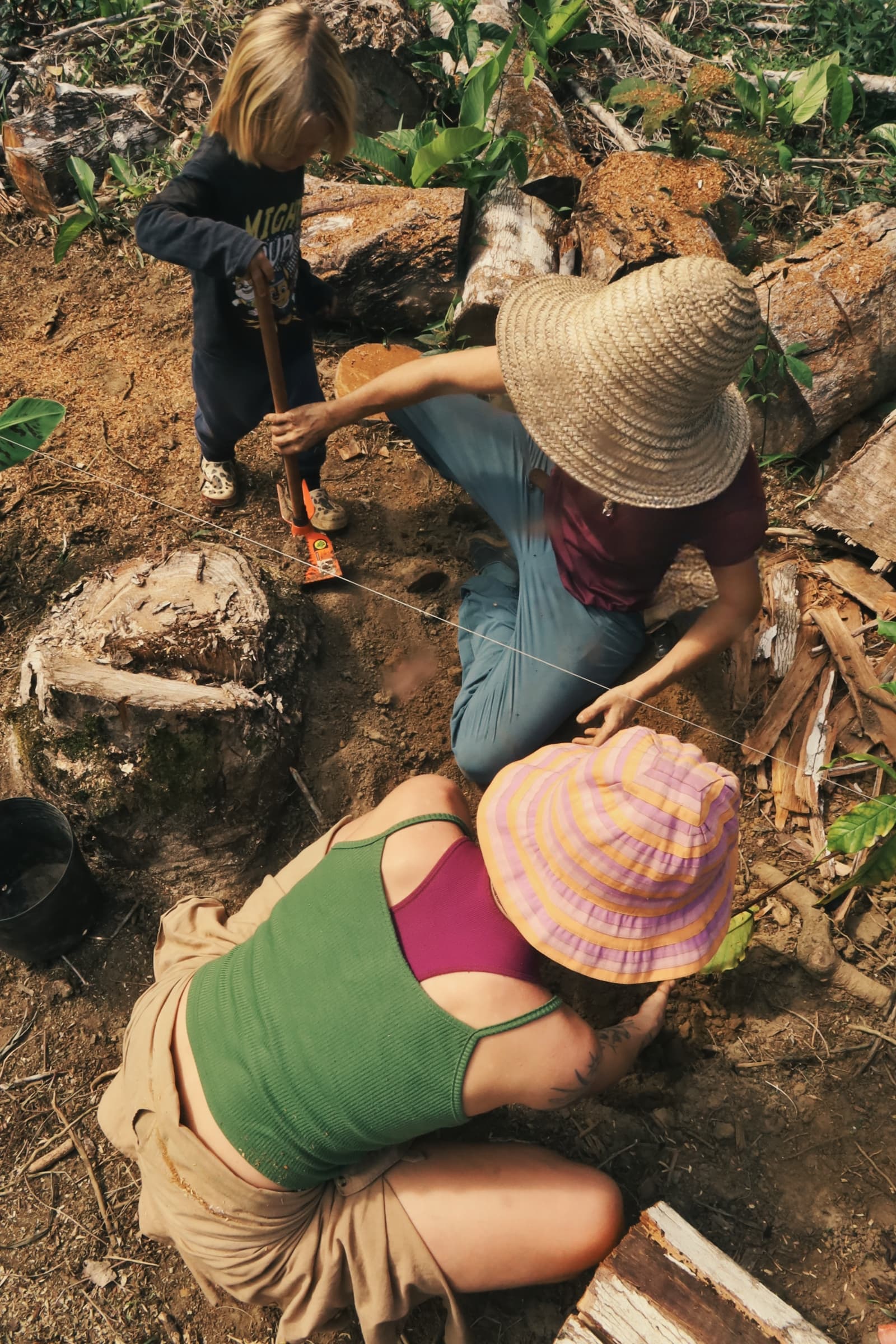
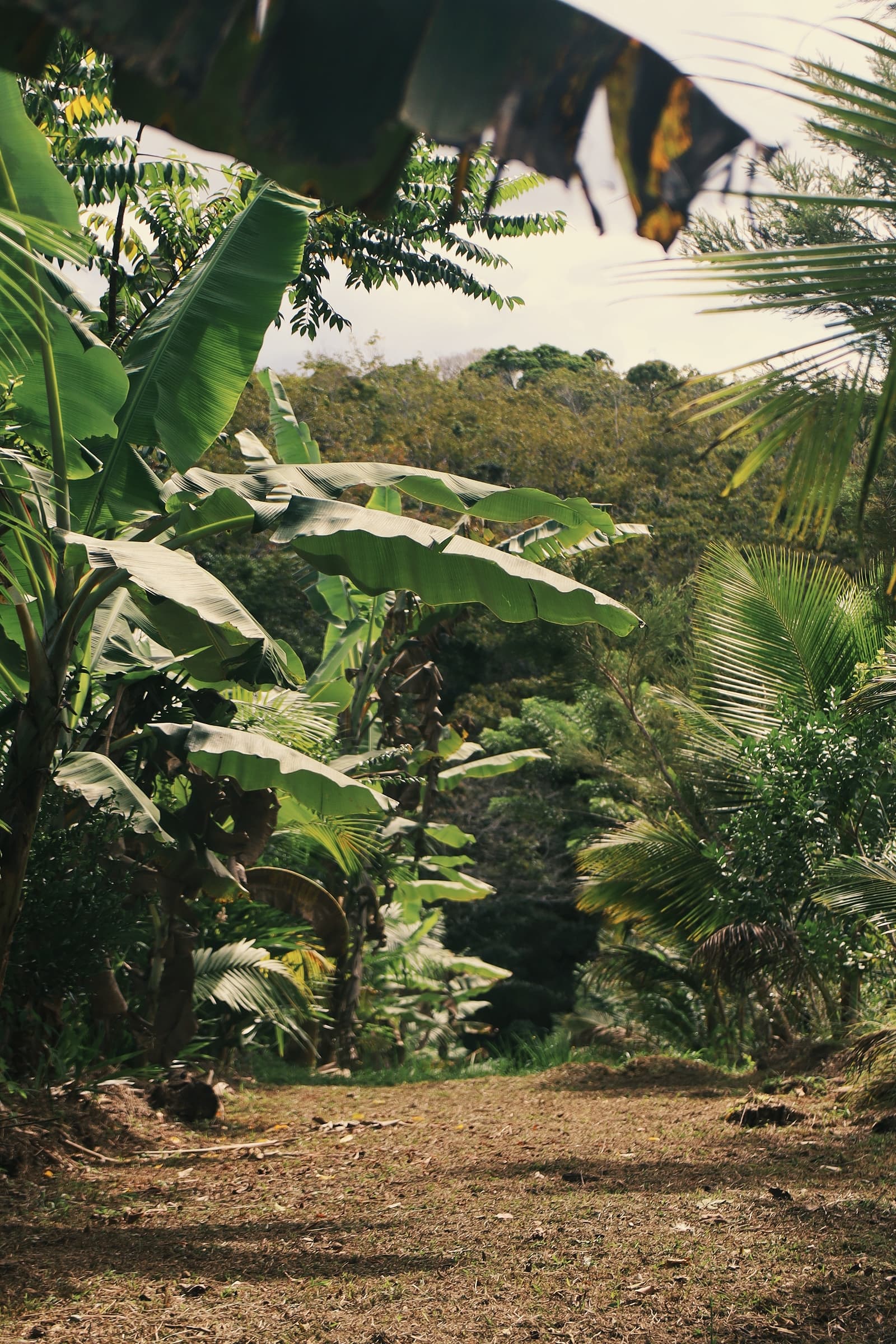
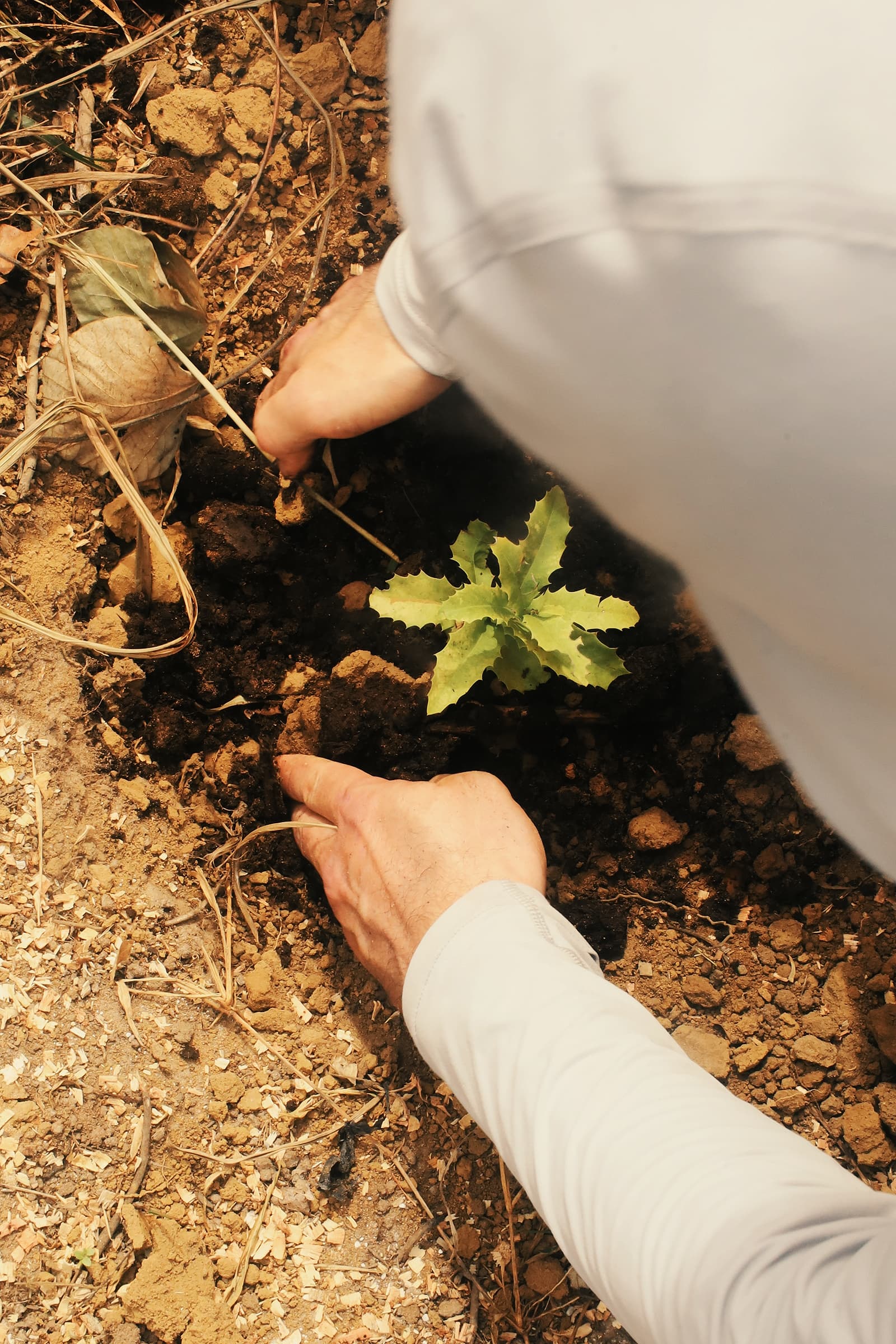
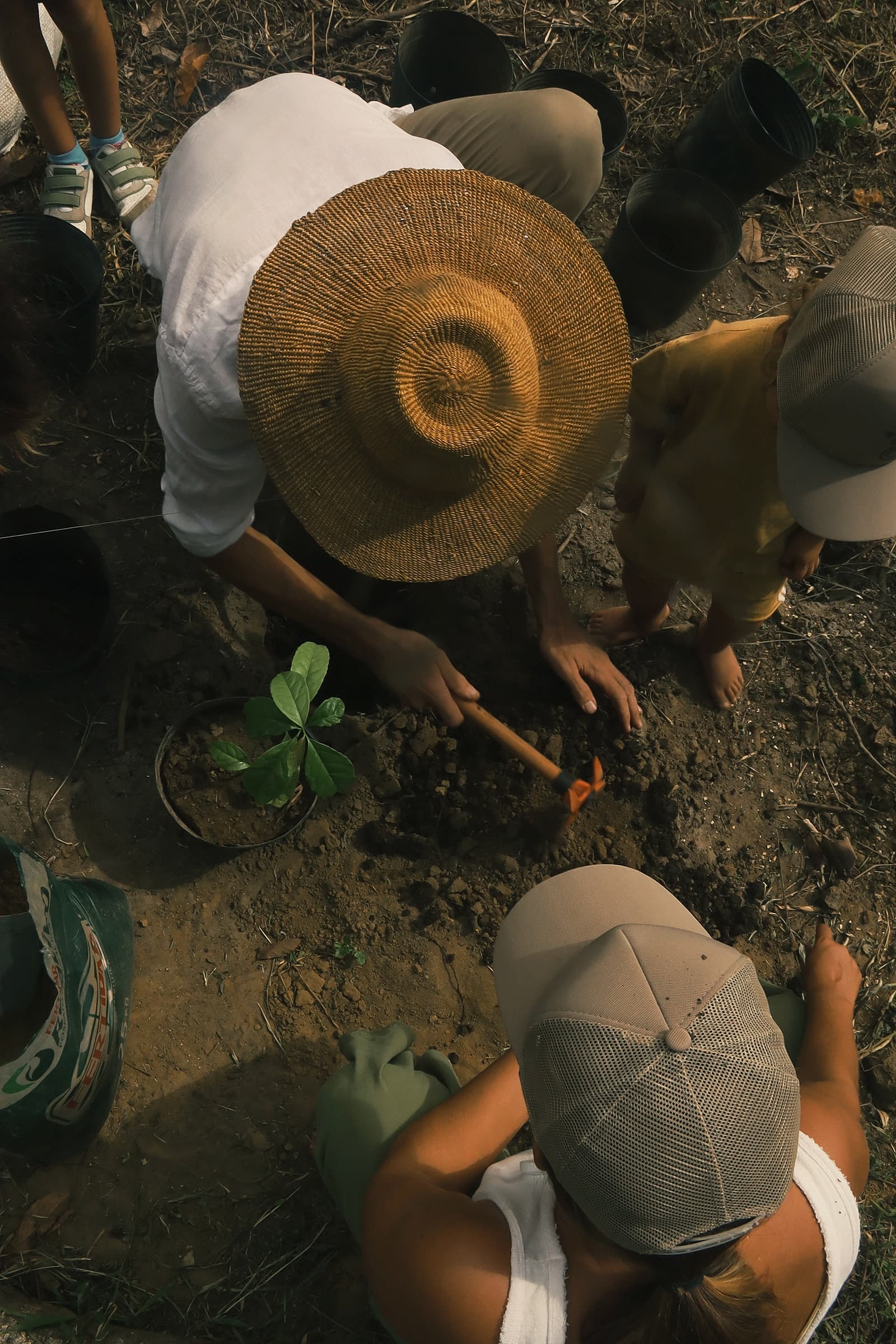
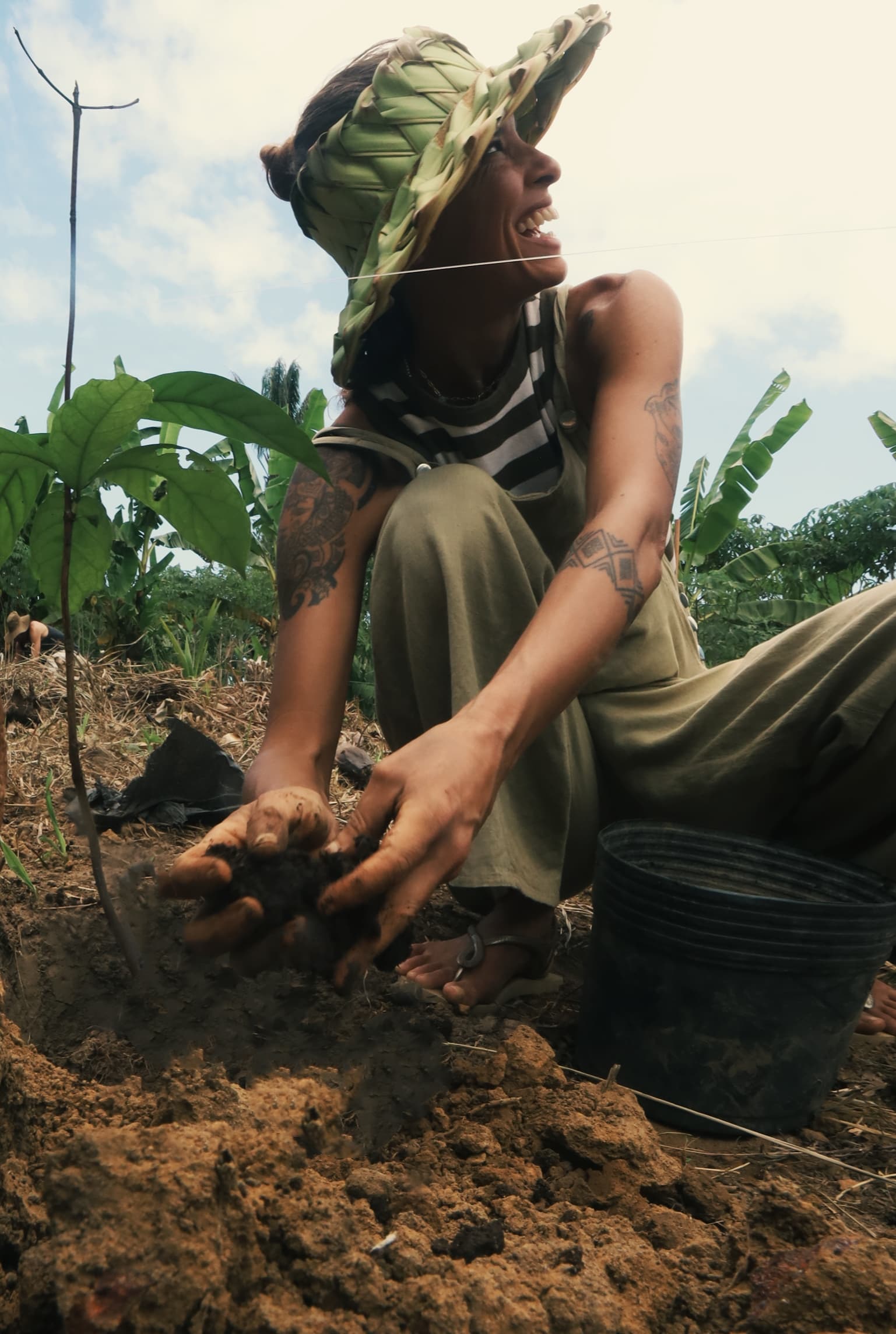
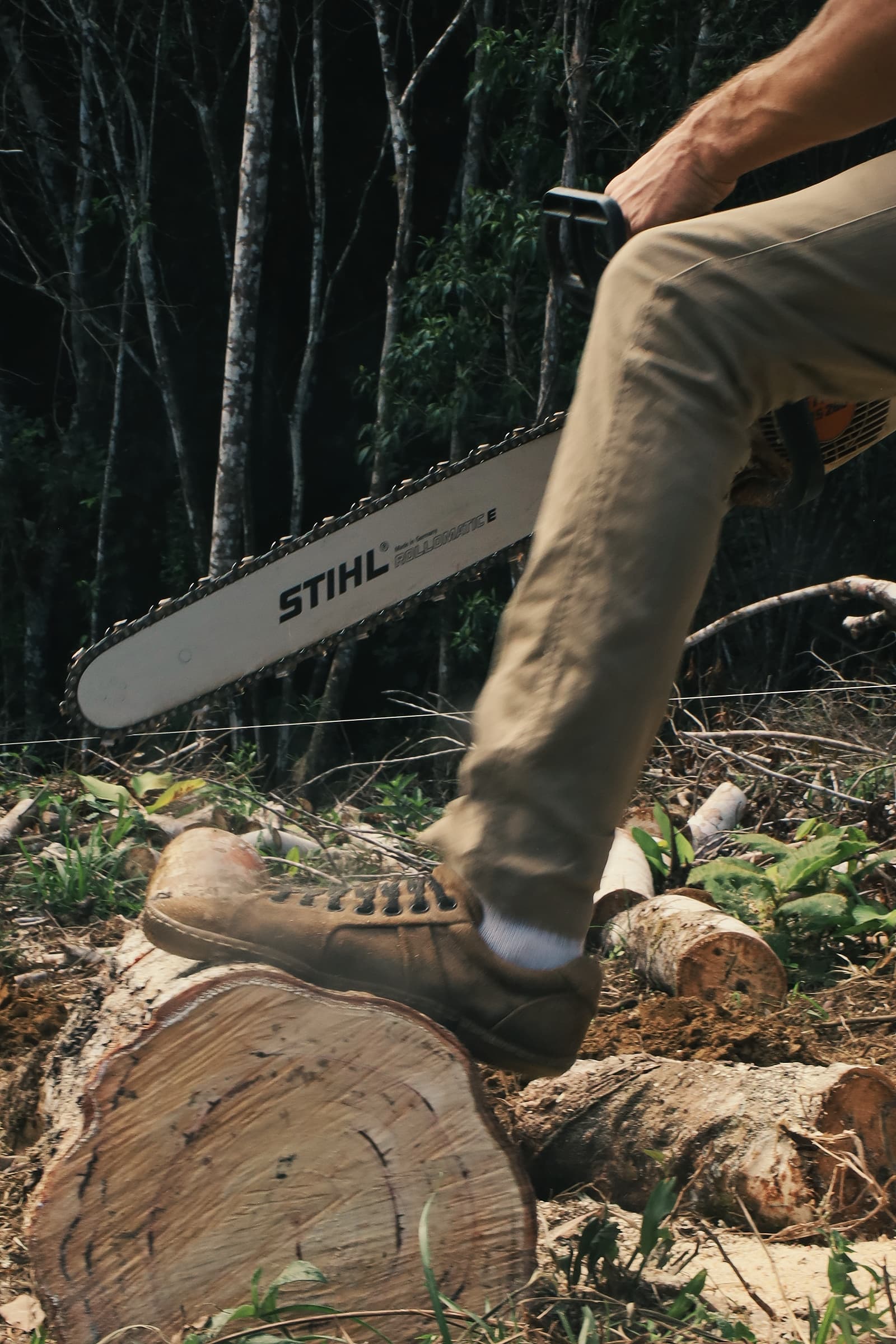
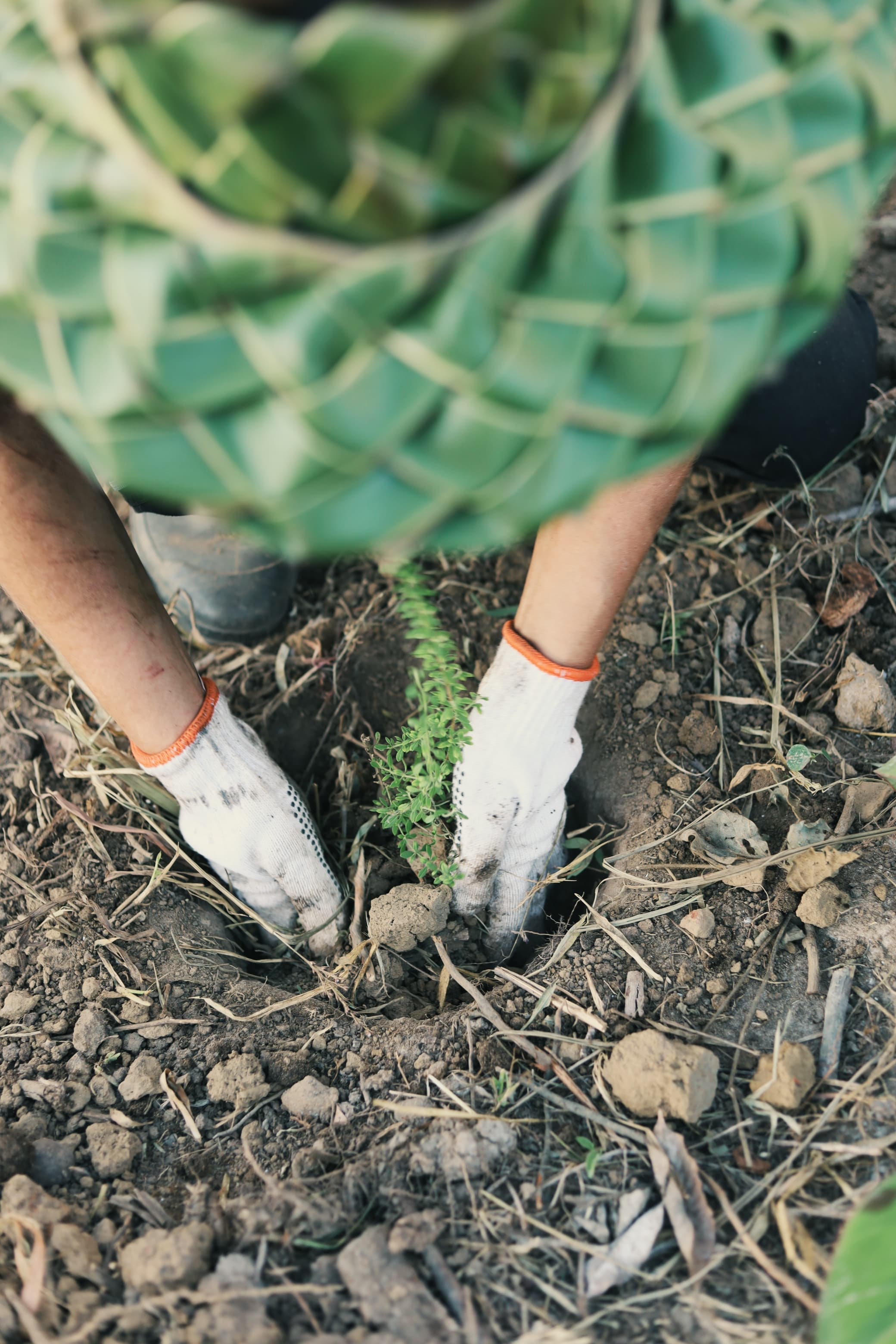
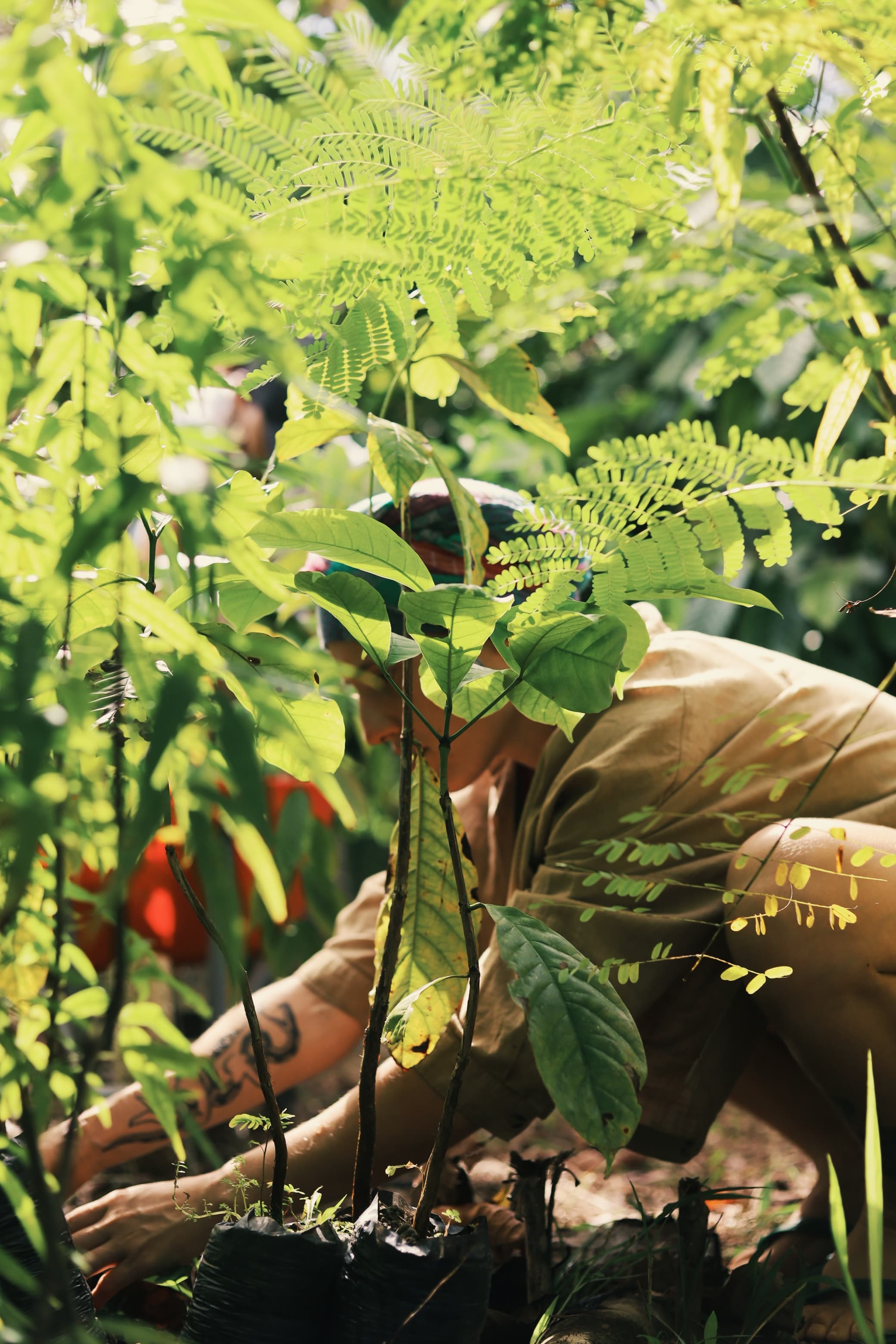
We develop and test regenerative models that connect ecosystem restoration, science, local knowledge, art, education, and technology.
Through agroforestry, research, community collaboration, cultural exchange, and practical upcycling systems, we create solutions that restore forests and soils, strengthen local economies, and turn waste into useful materials and infrastructure.
Our work is designed to be open, adaptable, and replicable — so successful solutions can grow far beyond ALUME.
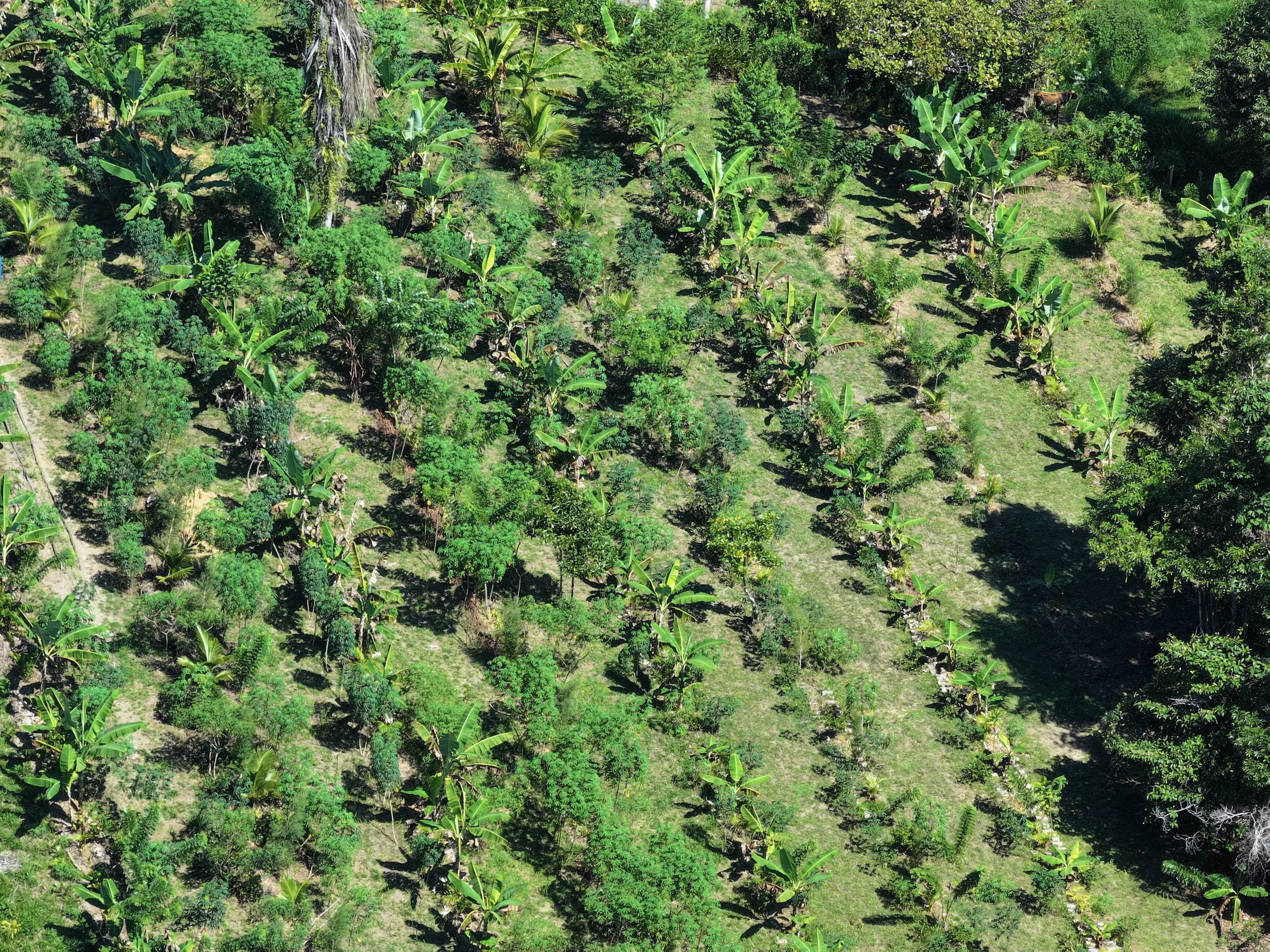
Restore the health of the Atlantic Forest and Cerrado through long-term reforestation, agroforestry, biodiversity recovery, and ecosystem renewal—starting at Fazenda ALUME and expanding zone by zone with transparent and accountable stewardship.
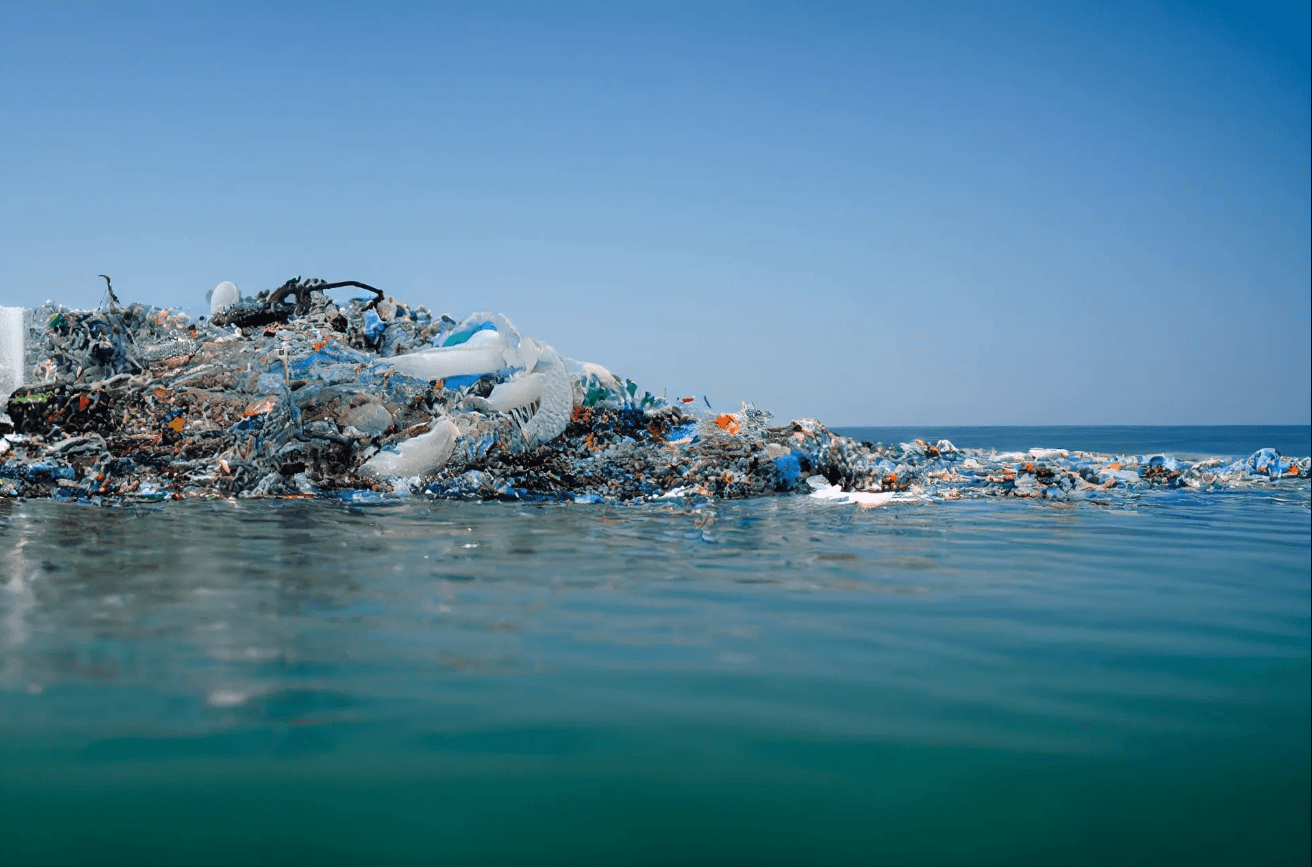
Develop open-source technologies that transform plastic and other waste streams into valuable materials for roads, housing, soil restoration, and community infrastructure. Guided by the principles of circular and regenerative design, we treat waste not as a problem to discard, but as a resource to be returned to productive cycles that restore ecosystems, strengthen local economies, and support resilient communities.
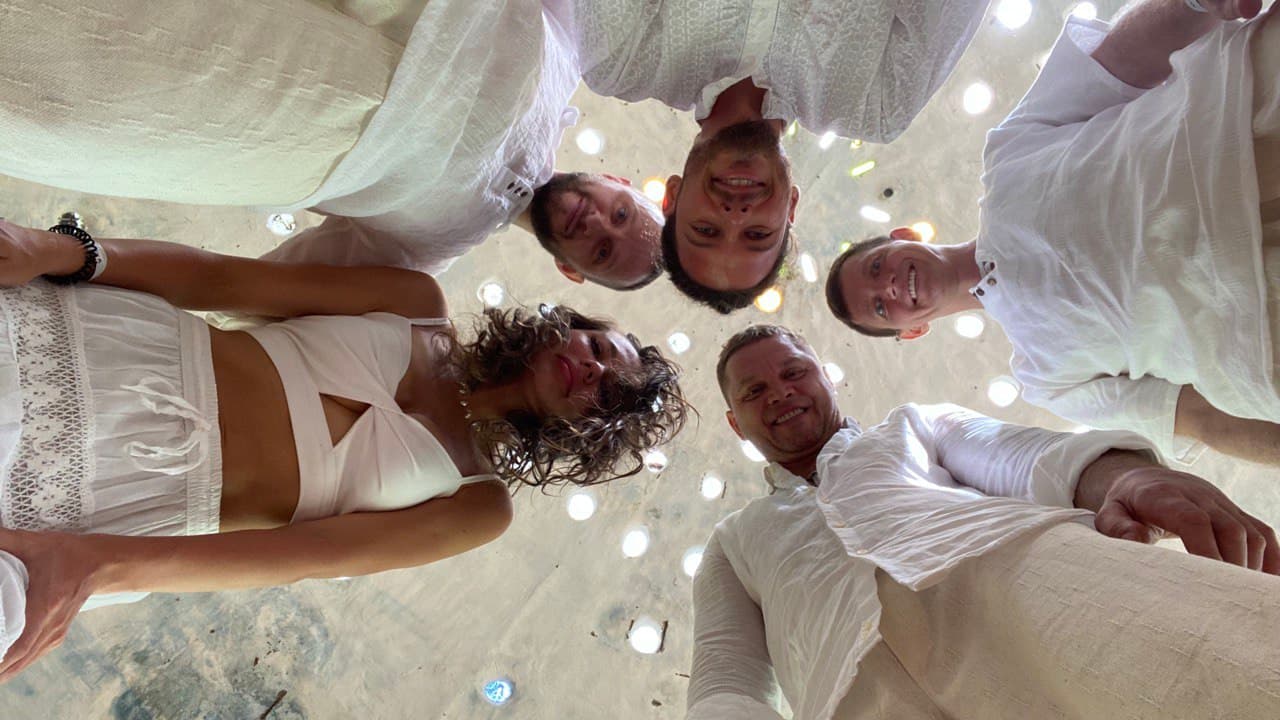
Lasting ecological restoration begins with cultural renewal. We preserve and strengthen traditional ecological knowledge, Indigenous wisdom, herbalism, and artistic expression as living practices that reconnect people with nature. By bringing ancestral knowledge into dialogue with science and regenerative innovation, we build the cultural foundations for thriving ecosystems, resilient communities, and a regenerative future.
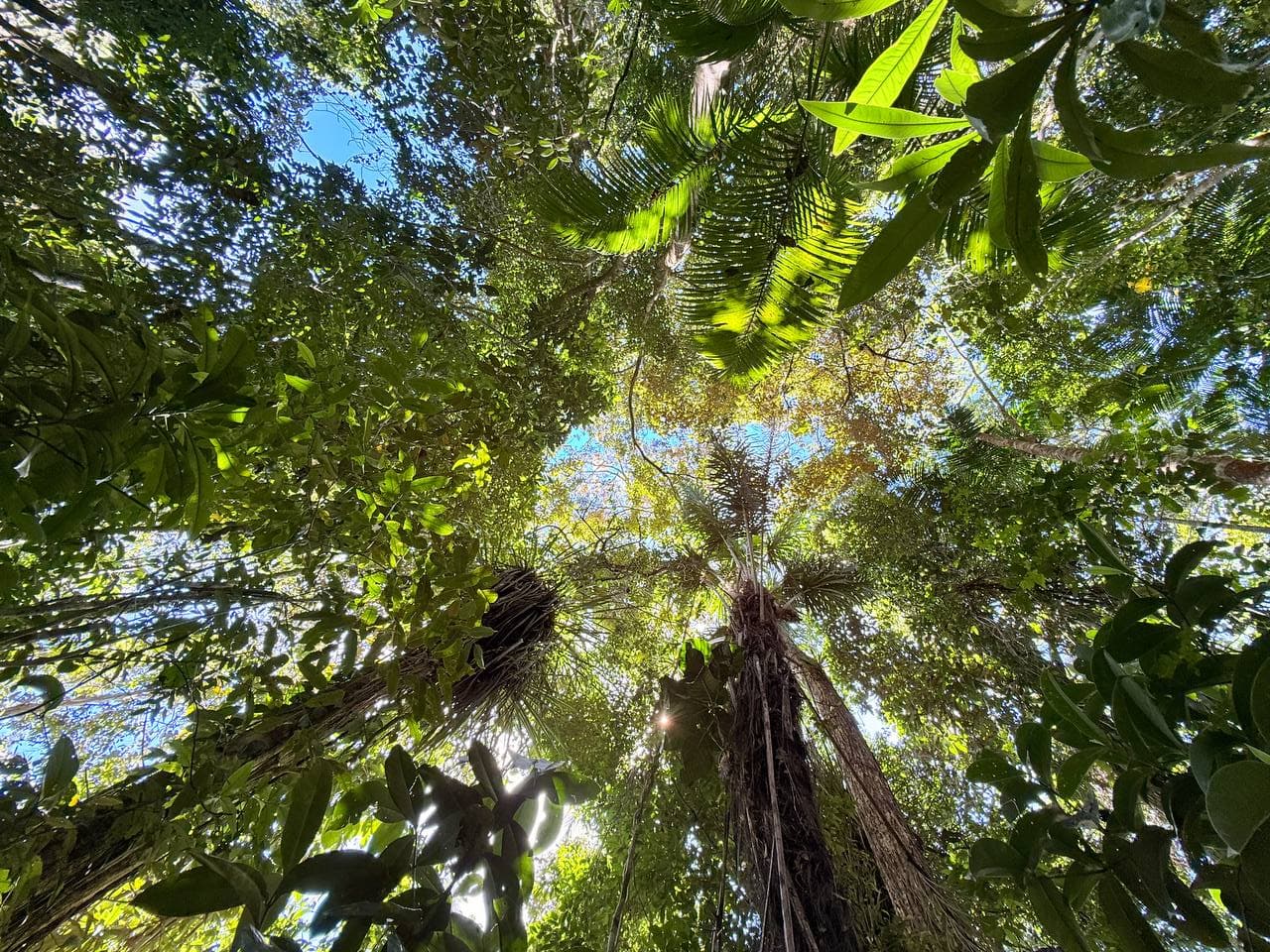
Advance regenerative science through applied field systems that combine monitoring, data, and experimentation. Collaborate with universities, institutes, and regenerative science researchers to co-develop and share knowledge across soil, water, biodiversity, and land management, improving restoration practices and their real-world impact.
Each project is a feature of the ALUME platform—not an end in itself, but a component of the integrated regenerative system.
Native Atlantic Forest species reintroduced with GPS-tagged monitoring. Target: ≥70% survival at 12 months.
Capital campaign protecting existing forest. €125k target — verifiable carbon and biodiversity credits.
AMI³ collects plastic waste and converts it into building infrastructure through 3D printing technology.
SC CO₂ extraction and lyophilisation — transforming forest products into regenerative revenue streams.
Waste-to-infrastructure technology developed in-house. Plastic collection + 3D printing pilot at scale.
Mata Viva — immersive residency where artists engage with the Atlantic Forest as practice, not backdrop.
Recurring sessions with local schools, mateiros, and community leaders. 100+ participants annually.
CLP grant US$15k. 1km fencing, 20 signs, 5 camera traps, 2 botanical transects, 10 oral history interviews.
Plants, seeds, and knowledge circulate to strengthen biodiversity, community agroforestry, and ecological restoration across Brazil.
Transform your resources, knowledge, creativity, land, or time into a force for Regeneration.
Find Your Way InMore than 88%
of original cover lost to agriculture, cattle, and development
20,000+
plant species native to the biome — 8,000 found nowhere else on Earth
120 million people
depend on the Atlantic Forest as a source of freshwater
86%
remaining forest fragments are under 50 Ha
Planting trees in the Atlantic Forest is not symbolic. It is one of the highest-return ecological investments available anywhere in the world. The degradation is deep. The remaining fragments are critical.
Plant Trees With Us →Interesting fact: While the Amazon is often cited as the main climate driver, many climatologists believe that the Amazon Jungle, Atlantic Forest, and Cerrado work as a single moisture exchange system. The destruction of one biome gradually weakens the others. We are bringing impact on all of these biomes, seeing them as one. That is what ALUME is building.
A multidisciplinary team connecting governance, science, technology, education, and institutional development in service of regeneration.
President
Tetyana leads ALUME Institute’s institutional vision and governance, shaping its long-term direction where ecological regeneration, education, culture, and human development come together.
Full biographyTreasurer · Executive Director
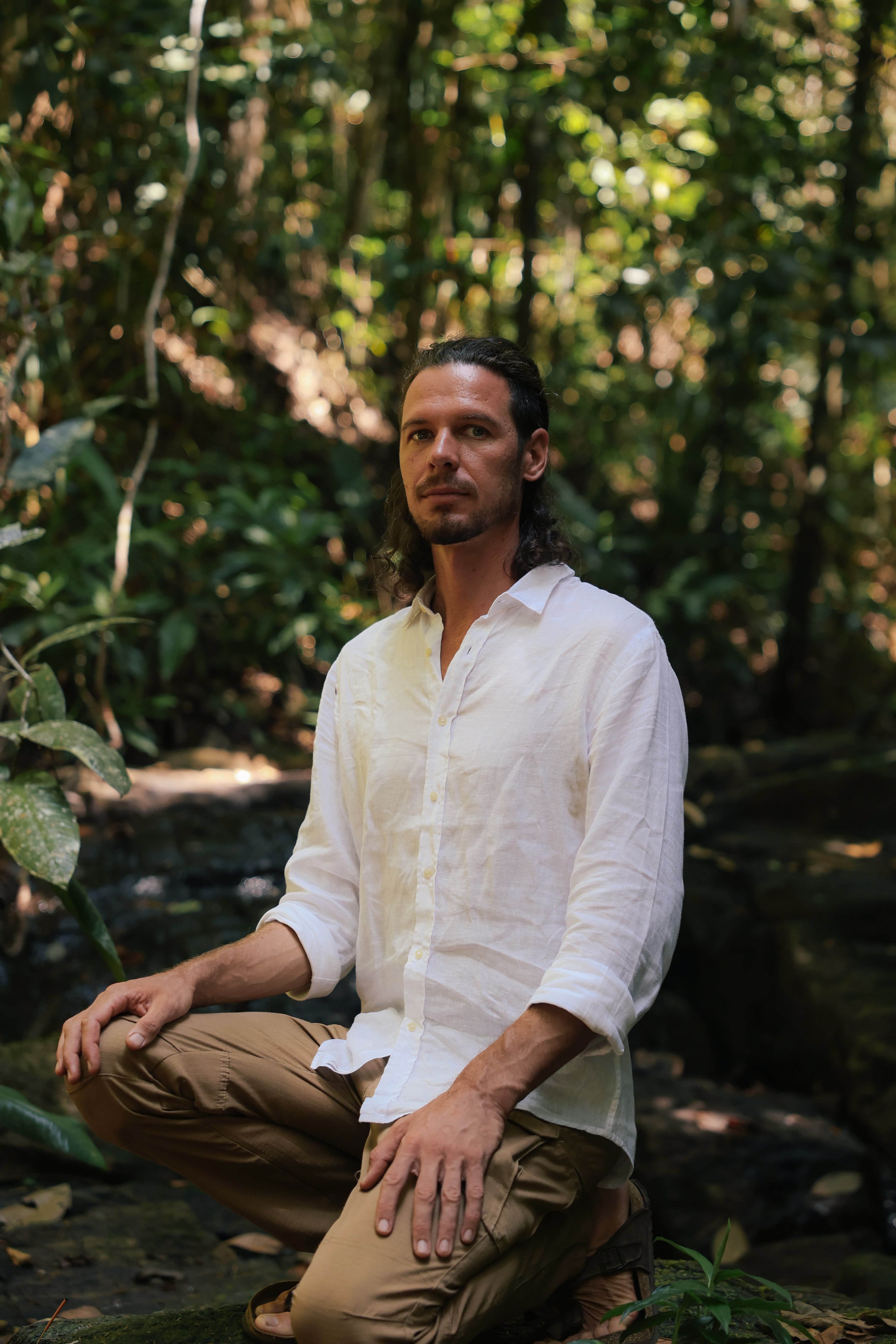
Chemical engineer, entrepreneur, and co-founder of ALUME Institute, Oleksii brings more than 15 years of experience across regenerative agriculture, agroforestry, sustainable construction, product development, and organizational management.
Full biographySecretary
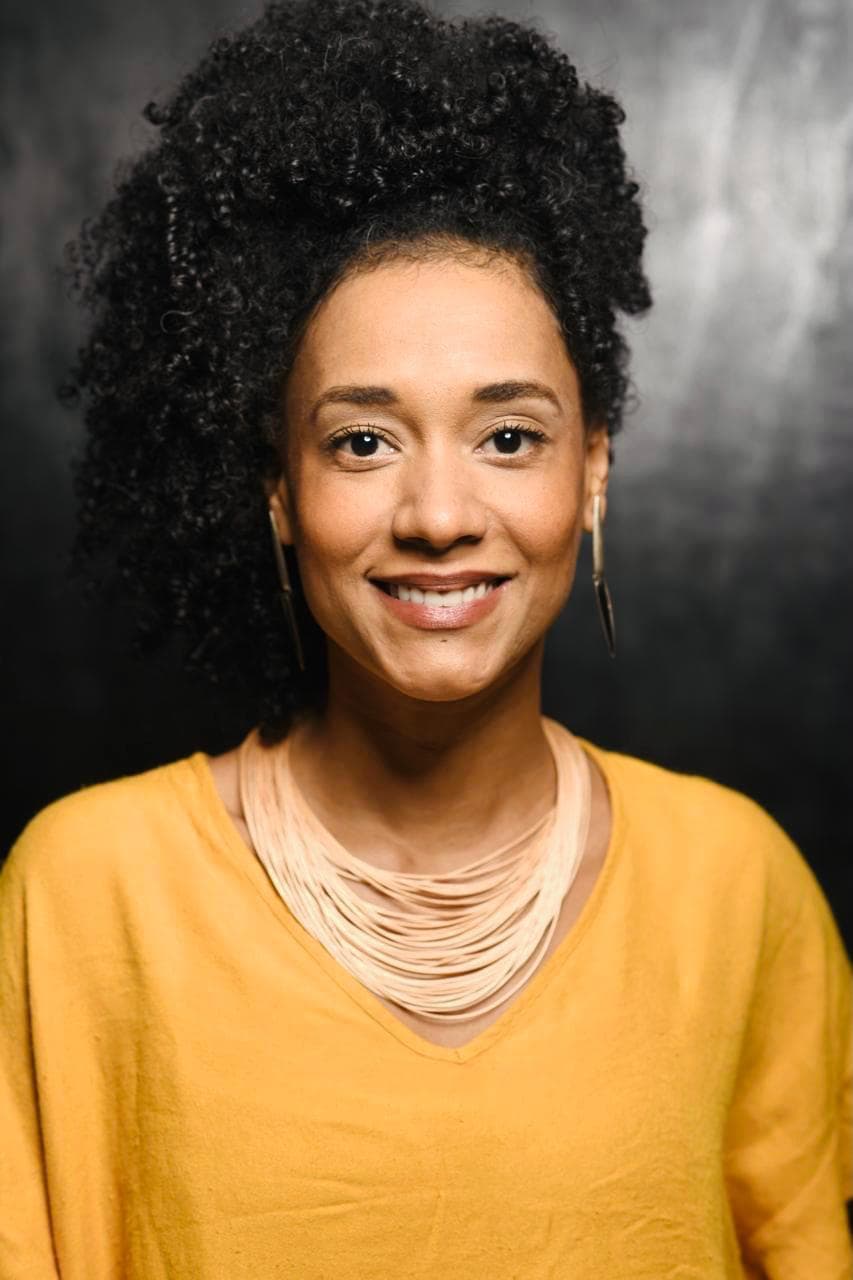
Patricia supports ALUME Institute’s organization and governance through internal coordination, documentation, communication, and connection between its areas of work.
Full biographyDirector of Operations
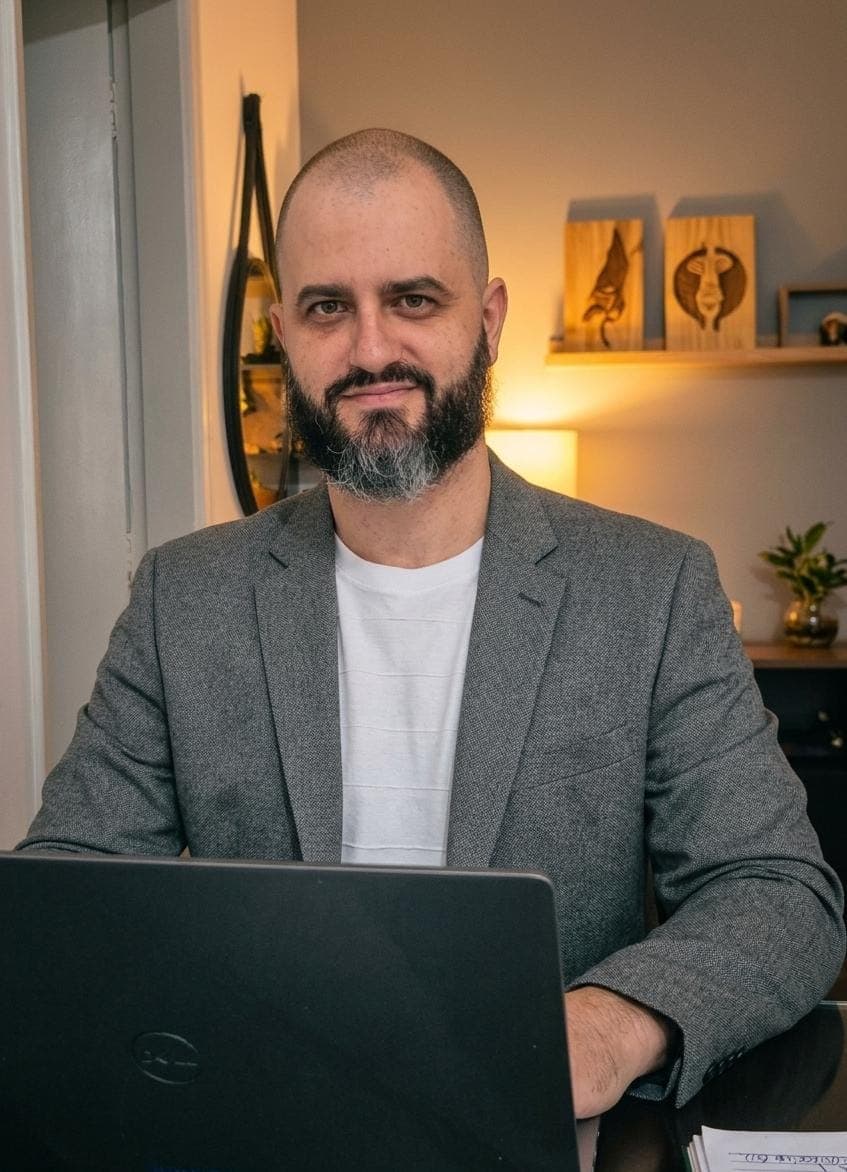
Celso is a project and operations management professional with more than 10 years of experience leading teams, improving processes, and coordinating operational planning and execution.
Full biographyDirector of Institutional Relations
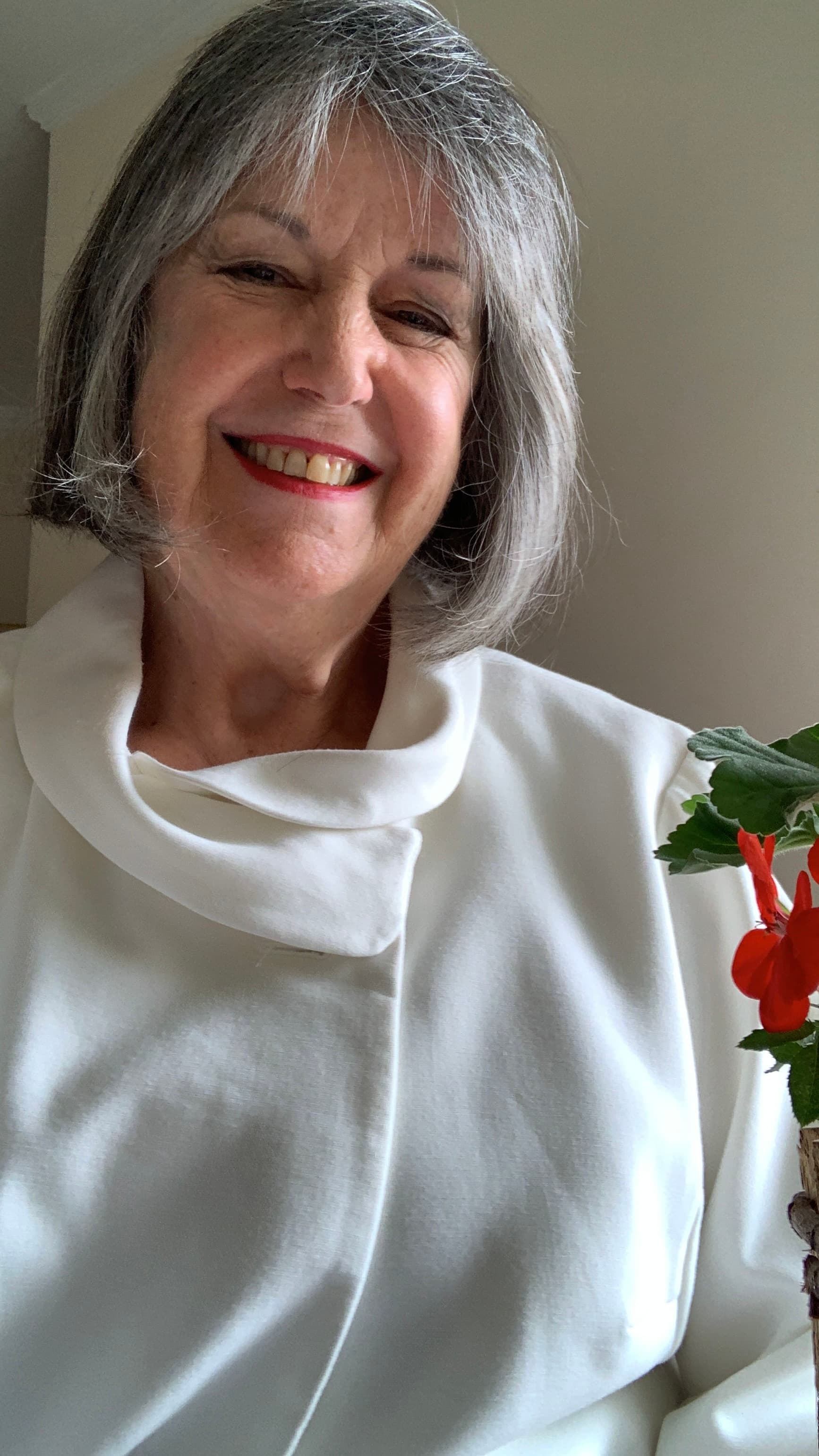
Cecilia works at the intersection of institutional relations, communication, education, and sustainable practices, bringing experience as a professor and consultant.
Full biographyCommunity Relations & Cultural Liaison
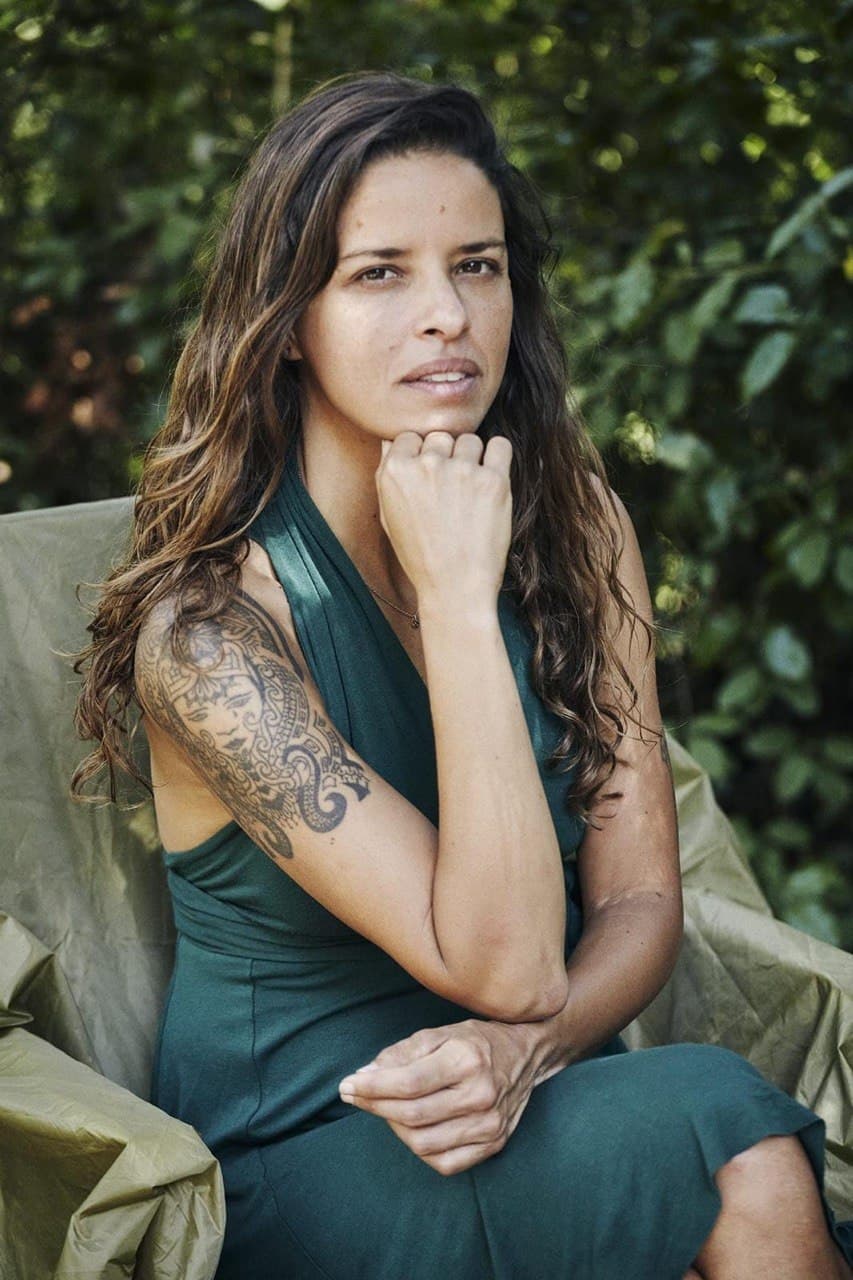
Nara’s work bridges communication, culture, community engagement, and human connection. At ALUME, she fosters dialogue, participation, trust, and cultural exchange.
Full biographyAgroforestry & Ecological Restoration Lead
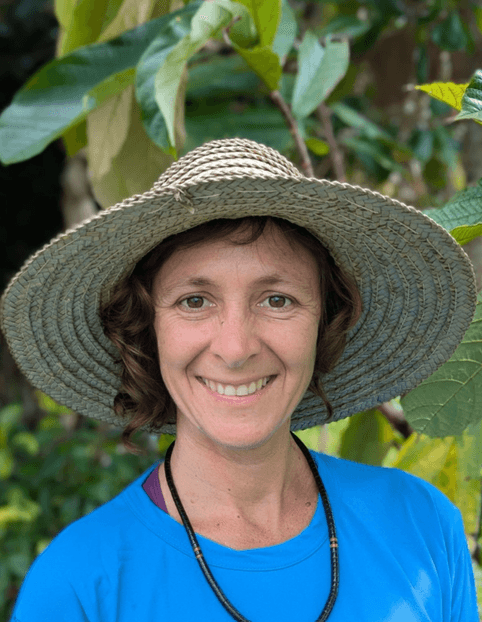
Julia is a biologist and agroforestry specialist with 20 years of experience in agroecology, ecological restoration, and territorial development.
Full biographyRegenerative Science Specialist, Biology & Greentech
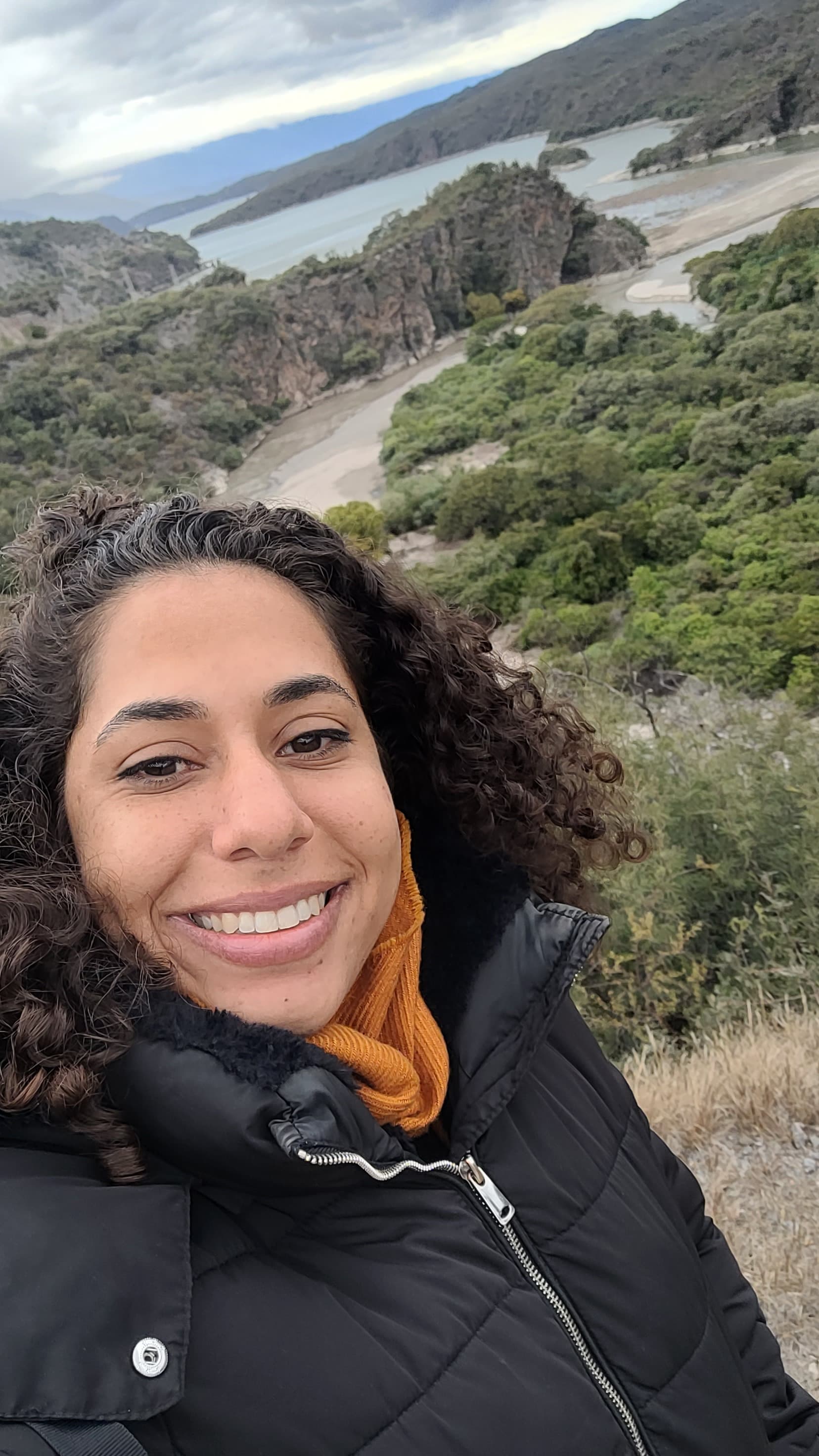
Aline holds a PhD in Soils and Plant Nutrition and contributes scientific expertise to regenerative ecosystems, soil health, biological processes, and green technologies.
Full biographyAgronomist & Plant Biotechnologist
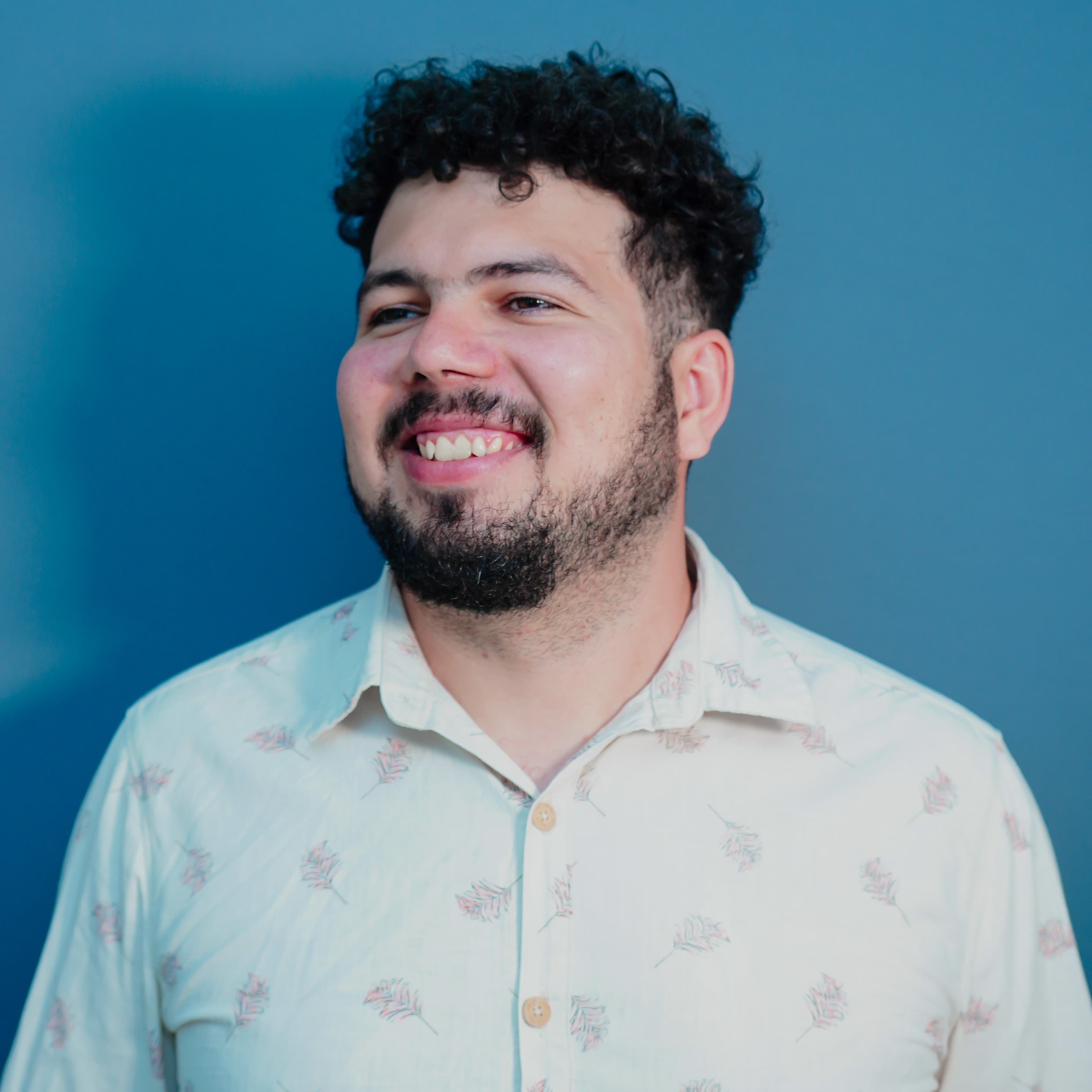
Robson is an agronomist with a Master’s and PhD in Agronomy who contributes knowledge in plant sciences, crop systems, agronomy, and biotechnology.
Full biographySupercritical Extraction Specialist & Biotechnology Scientist
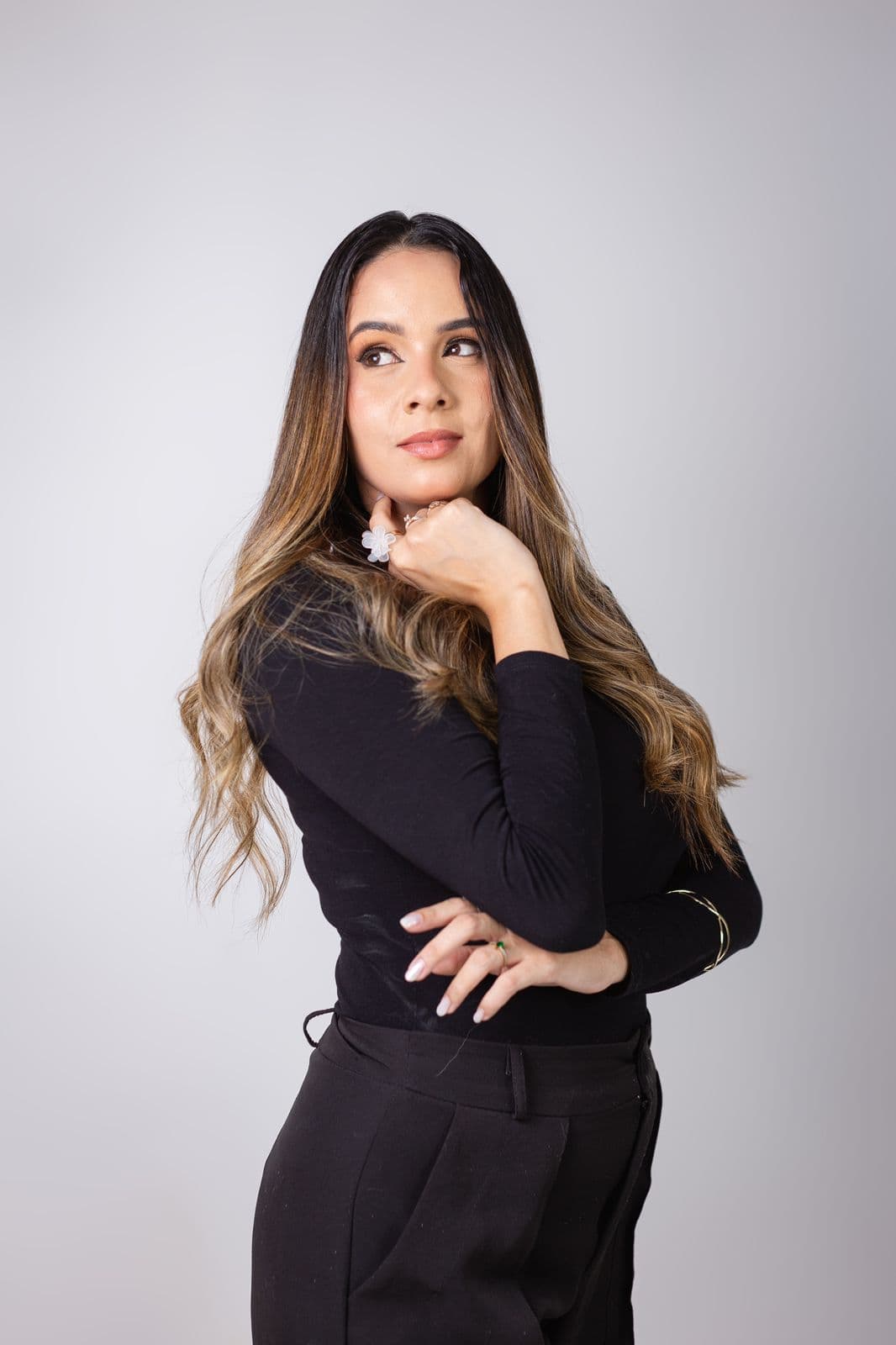
Any is a biomedical scientist and biologist with a Master’s degree in Industrial Biotechnology. She supports research, applied experimentation, and regenerative solutions.
Full biographyFull-Stack Web Developer
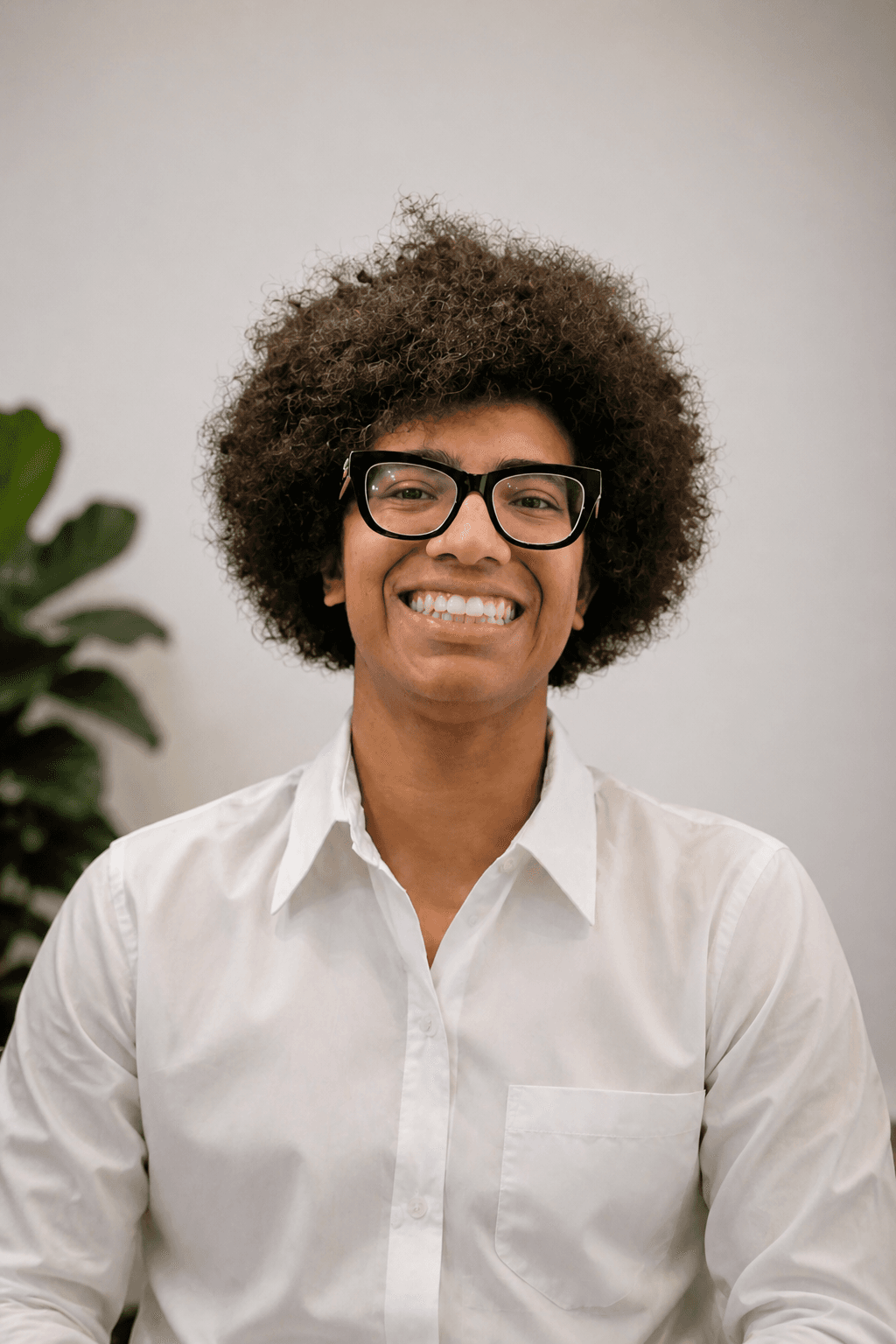
Full Stack Software Engineer with postgraduate specialization in Applied Artificial Intelligence. At ALUME, she develops and improves web applications, working across the front end and back end to build digital solutions that support projects, communication, and data-driven initiatives.
Full biographyPresident
Tetyana leads ALUME Institute’s institutional vision and governance, shaping its long-term direction where ecological regeneration, education, culture, and human development come together.
Full biographyTreasurer · Executive Director
Chemical engineer, entrepreneur, and co-founder of ALUME Institute, Oleksii brings more than 15 years of experience across regenerative agriculture, agroforestry, sustainable construction, product development, and organizational management.
Full biographySecretary
Patricia supports ALUME Institute’s organization and governance through internal coordination, documentation, communication, and connection between its areas of work.
Full biographyDirector of Operations
Celso is a project and operations management professional with more than 10 years of experience leading teams, improving processes, and coordinating operational planning and execution.
Full biographyDirector of Institutional Relations
Cecilia works at the intersection of institutional relations, communication, education, and sustainable practices, bringing experience as a professor and consultant.
Full biographyCommunity Relations & Cultural Liaison
Nara’s work bridges communication, culture, community engagement, and human connection. At ALUME, she fosters dialogue, participation, trust, and cultural exchange.
Full biographyAgroforestry & Ecological Restoration Lead
Julia is a biologist and agroforestry specialist with 20 years of experience in agroecology, ecological restoration, and territorial development.
Full biographyRegenerative Science Specialist, Biology & Greentech
Aline holds a PhD in Soils and Plant Nutrition and contributes scientific expertise to regenerative ecosystems, soil health, biological processes, and green technologies.
Full biographyAgronomist & Plant Biotechnologist
Robson is an agronomist with a Master’s and PhD in Agronomy who contributes knowledge in plant sciences, crop systems, agronomy, and biotechnology.
Full biographySupercritical Extraction Specialist & Biotechnology Scientist
Any is a biomedical scientist and biologist with a Master’s degree in Industrial Biotechnology. She supports research, applied experimentation, and regenerative solutions.
Full biographyFull-Stack Web Developer
Full Stack Software Engineer with postgraduate specialization in Applied Artificial Intelligence. At ALUME, she develops and improves web applications, working across the front end and back end to build digital solutions that support projects, communication, and data-driven initiatives.
Full biographyPresident
Tetyana leads ALUME Institute’s institutional vision and governance, shaping its long-term direction where ecological regeneration, education, culture, and human development come together.
Full biographyTreasurer · Executive Director
Chemical engineer, entrepreneur, and co-founder of ALUME Institute, Oleksii brings more than 15 years of experience across regenerative agriculture, agroforestry, sustainable construction, product development, and organizational management.
Full biographySecretary
Patricia supports ALUME Institute’s organization and governance through internal coordination, documentation, communication, and connection between its areas of work.
Full biographyDirector of Operations
Celso is a project and operations management professional with more than 10 years of experience leading teams, improving processes, and coordinating operational planning and execution.
Full biographyDirector of Institutional Relations
Cecilia works at the intersection of institutional relations, communication, education, and sustainable practices, bringing experience as a professor and consultant.
Full biographyCommunity Relations & Cultural Liaison
Nara’s work bridges communication, culture, community engagement, and human connection. At ALUME, she fosters dialogue, participation, trust, and cultural exchange.
Full biographyAgroforestry & Ecological Restoration Lead
Julia is a biologist and agroforestry specialist with 20 years of experience in agroecology, ecological restoration, and territorial development.
Full biographyRegenerative Science Specialist, Biology & Greentech
Aline holds a PhD in Soils and Plant Nutrition and contributes scientific expertise to regenerative ecosystems, soil health, biological processes, and green technologies.
Full biographyAgronomist & Plant Biotechnologist
Robson is an agronomist with a Master’s and PhD in Agronomy who contributes knowledge in plant sciences, crop systems, agronomy, and biotechnology.
Full biographySupercritical Extraction Specialist & Biotechnology Scientist
Any is a biomedical scientist and biologist with a Master’s degree in Industrial Biotechnology. She supports research, applied experimentation, and regenerative solutions.
Full biographyFull-Stack Web Developer
Full Stack Software Engineer with postgraduate specialization in Applied Artificial Intelligence. At ALUME, she develops and improves web applications, working across the front end and back end to build digital solutions that support projects, communication, and data-driven initiatives.
Full biographyBiodiversity
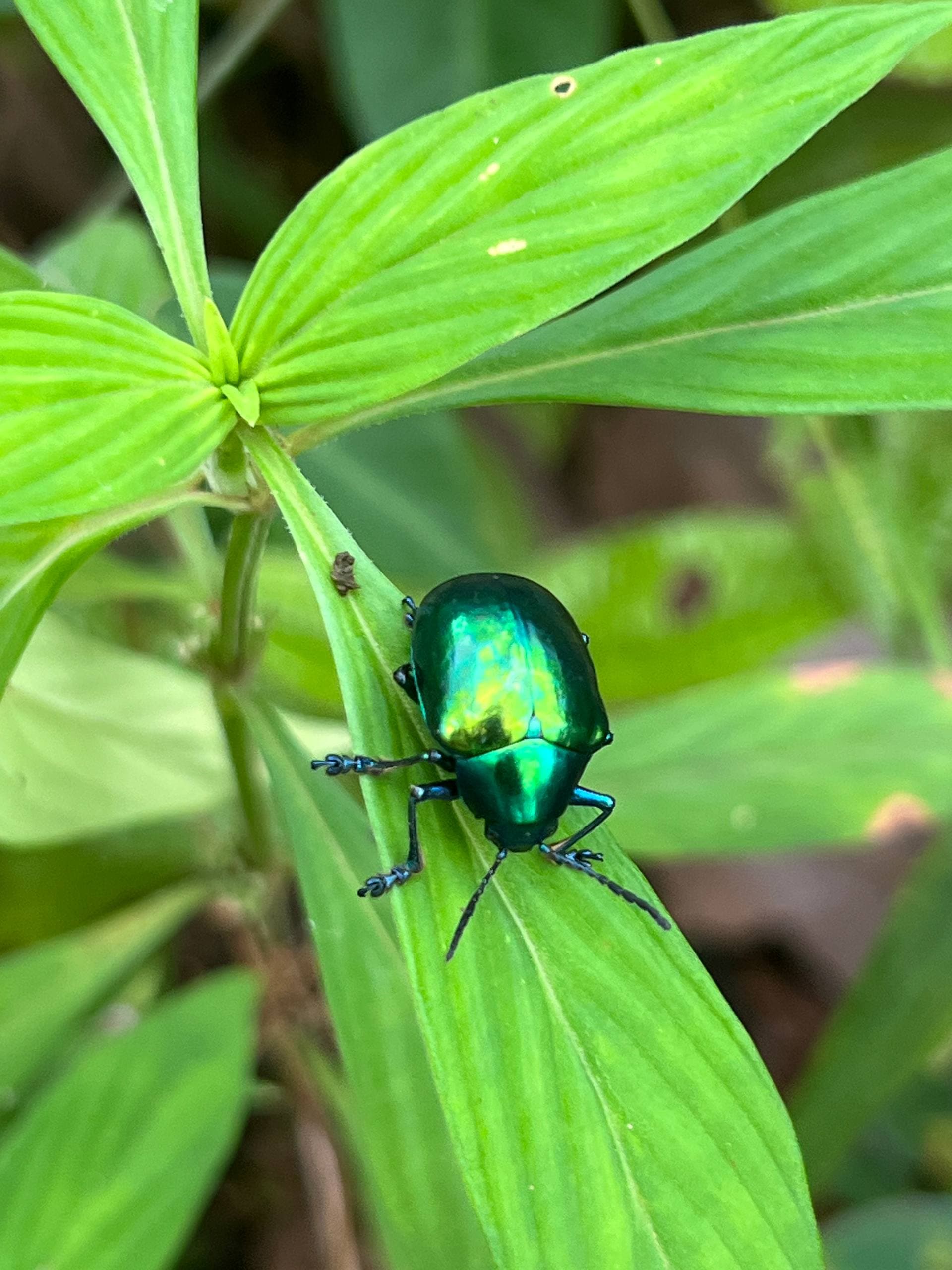
Biodiversity in detail
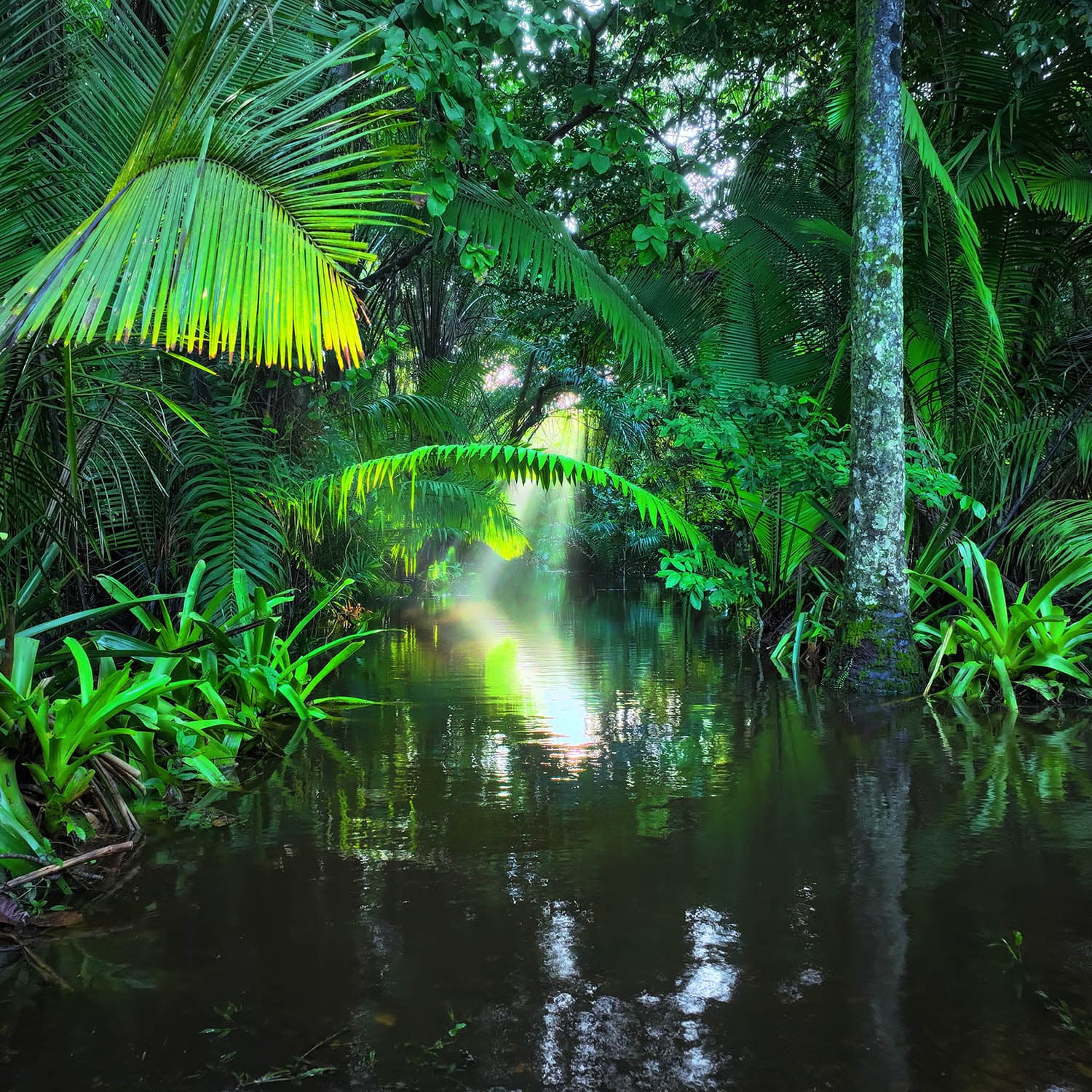
Water and forest at Fazenda ALUME
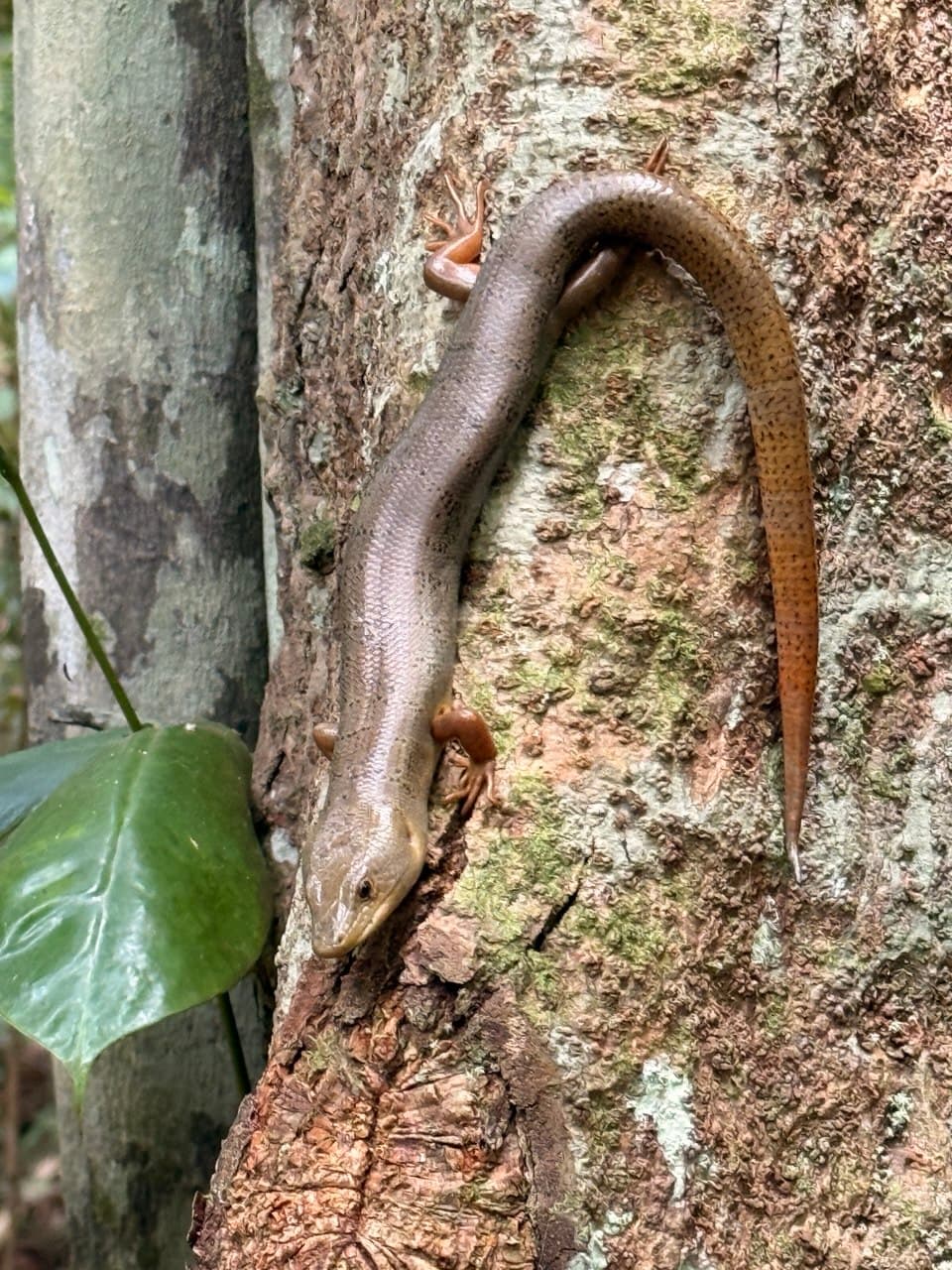
Life at Fazenda ALUME
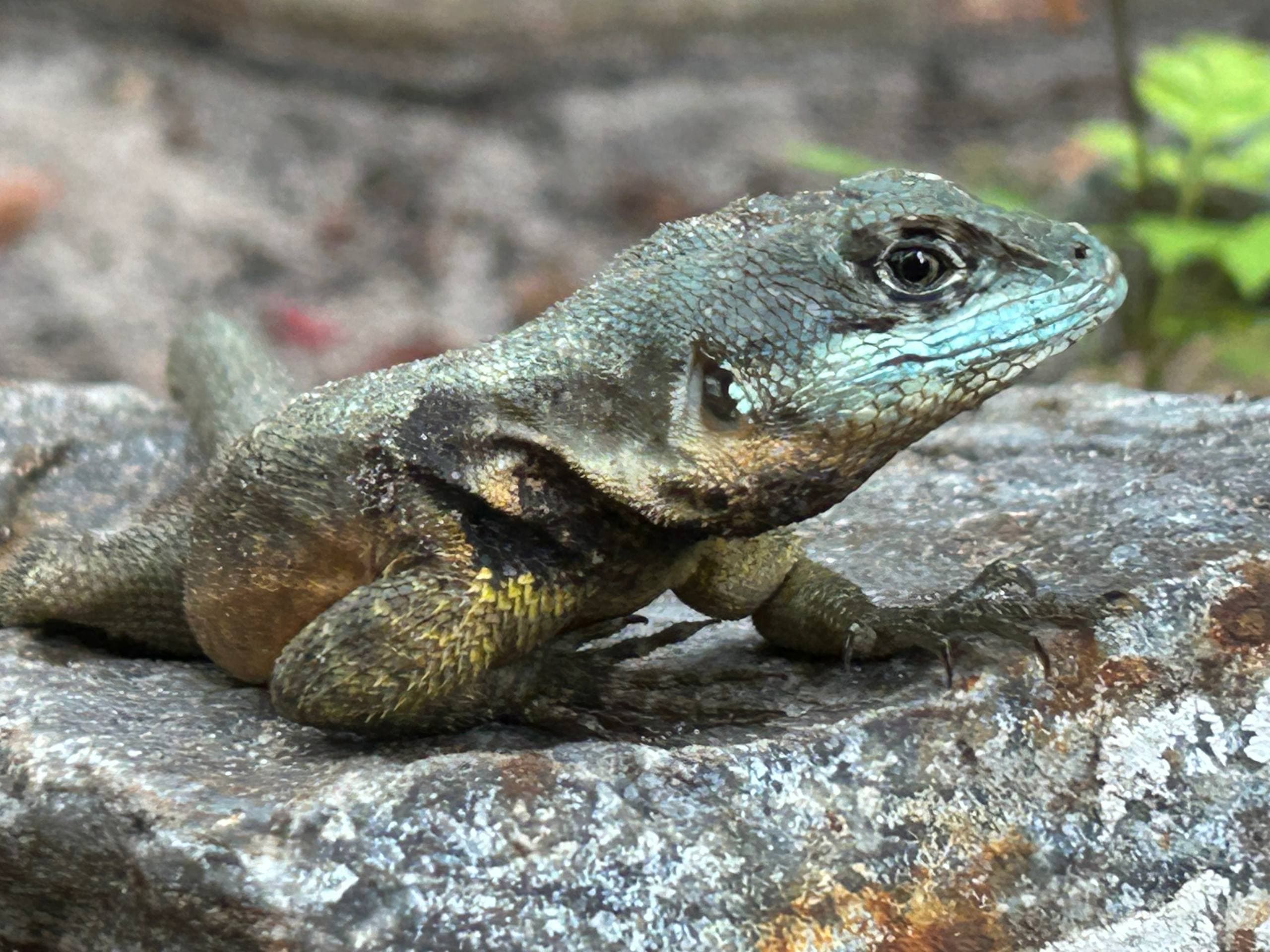
Atlantic Forest wildlife
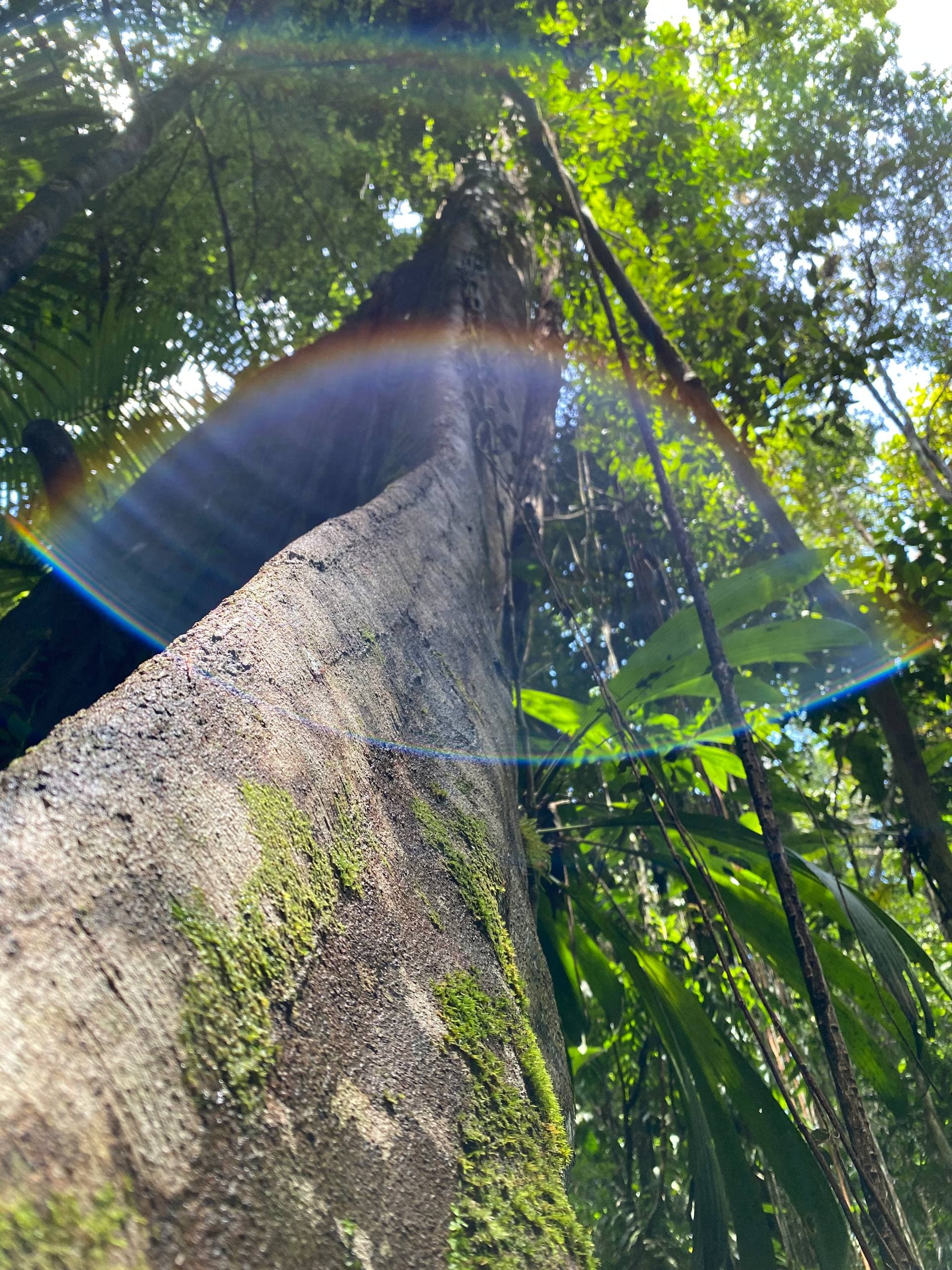
Atlantic Forest canopy
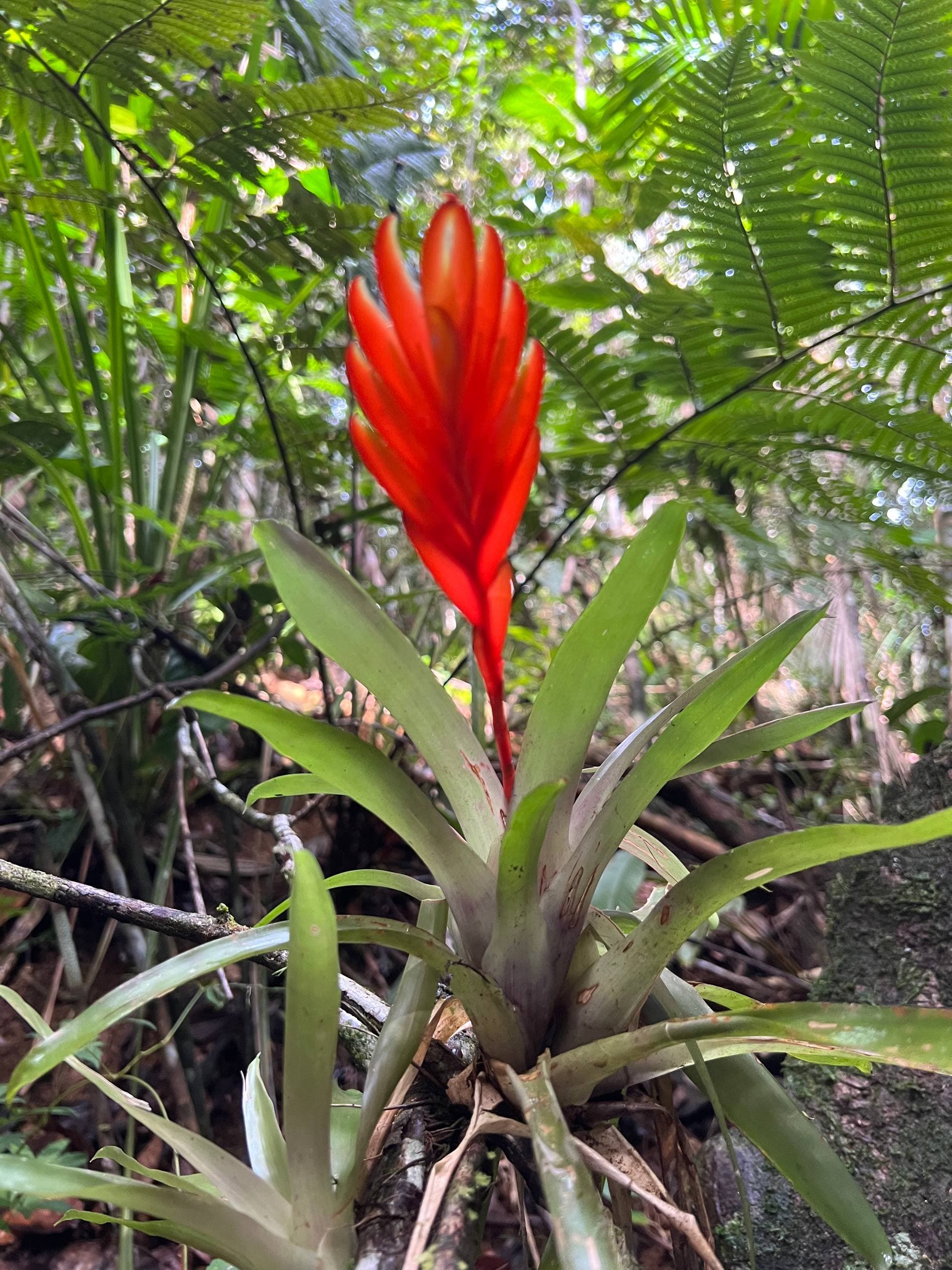
Bromeliad in bloom
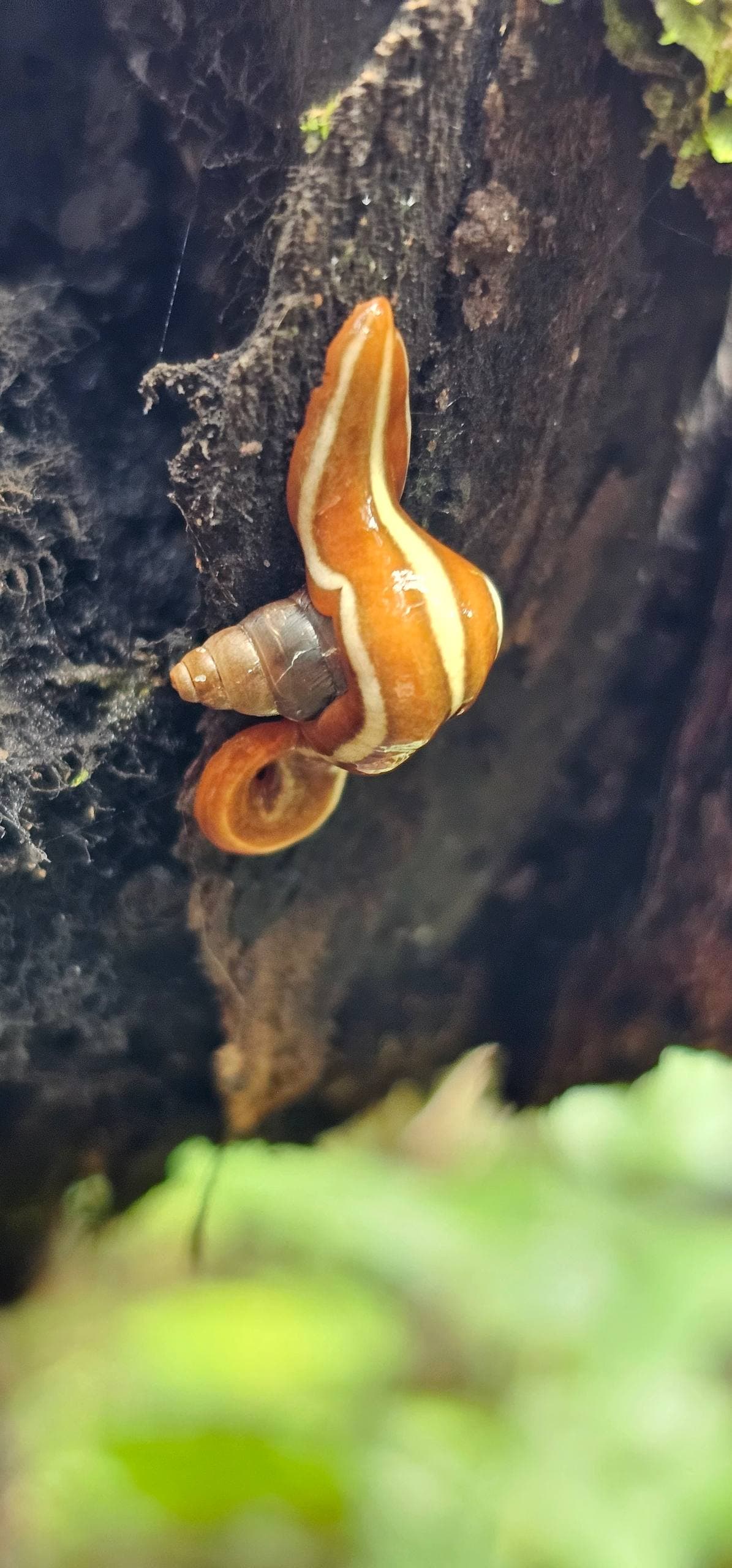
Forest microfauna
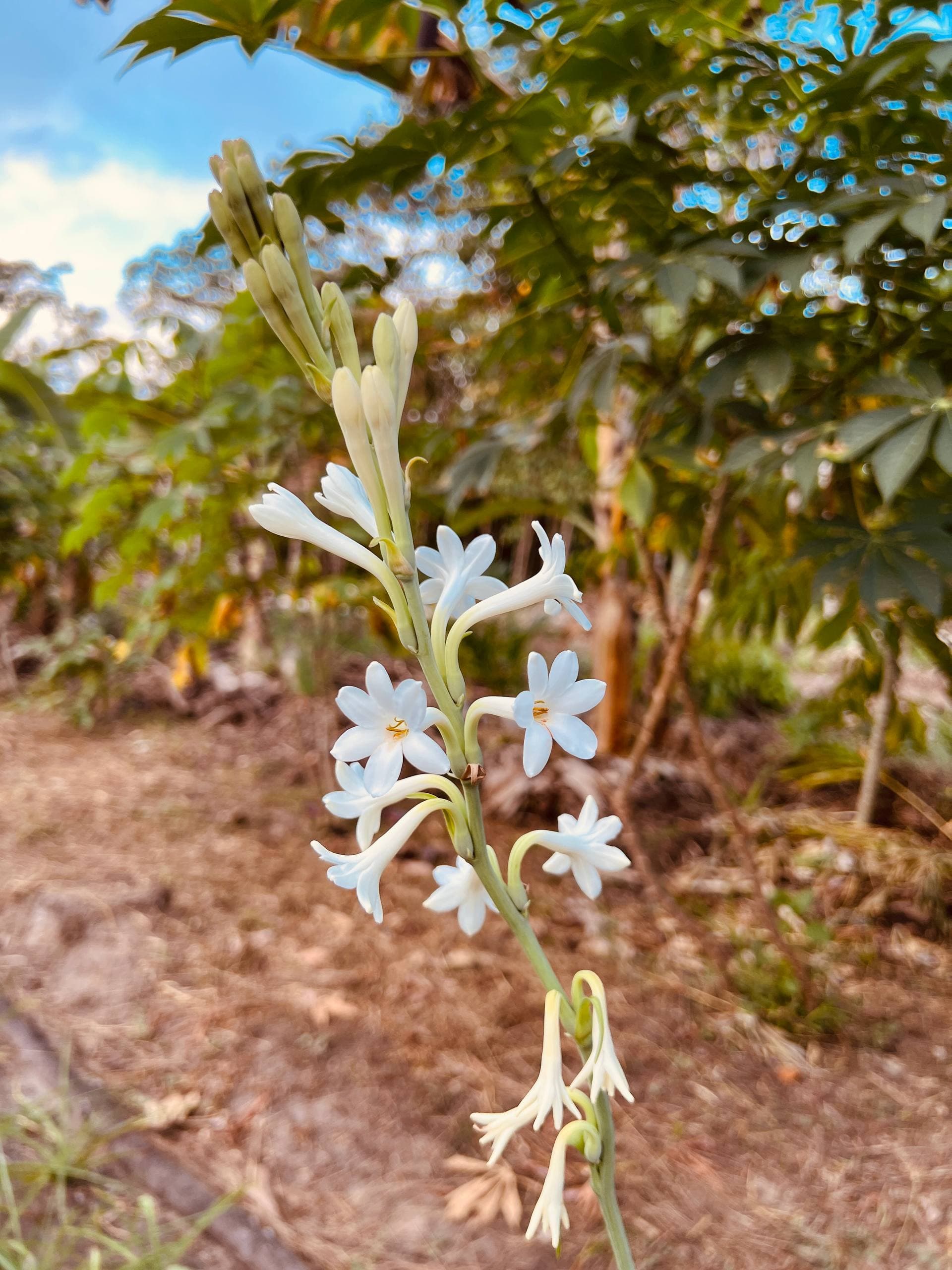
Tuberose Blossom
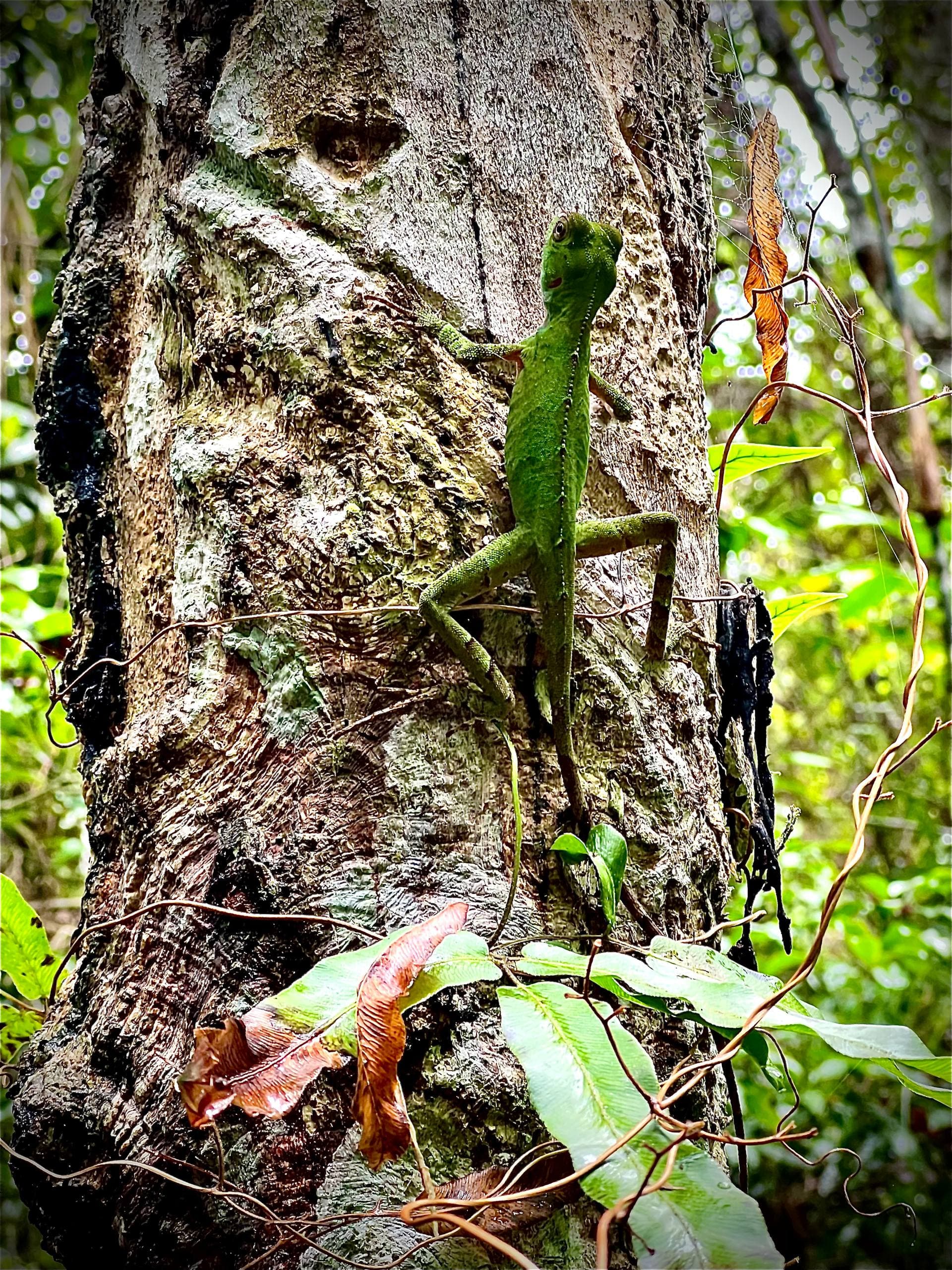
Chameleon
“The forest taught us that healing is not a destination, but a way of being. In learning to listen to the plants, we remember how to listen to ourselves—and to each other.”
Tatiana KhokhFounder, President · ALUME Regenerative Institute“We did not begin with a theory. We began with stagnant land degraded by monoculture. Today, we are experiencing how nourishing it feels to restore it—when wildlife returns and feeds on the same harvest that sustains us and the community around.”
Oleksii (Alexey) GoroshkoExecutive Director · ALUME Regenerative Institute